Your gym bag is stuck, or your luggage refuses to open because you forgot the numbers. Panic often sets in when a simple 3-digit lock blocks your way, but most of these devices have mechanical flaws you can exploit. You do not need heavy tools or professional help to solve this common problem today.
This guide explains exactly how to open 3 combination lock models using only your hands and patience. You will learn the precise turning sequence for known codes and two proven bypass methods for lost combinations. Follow these steps to regain access in minutes without damaging your property.
Execute the Standard Dial Sequence Correctly
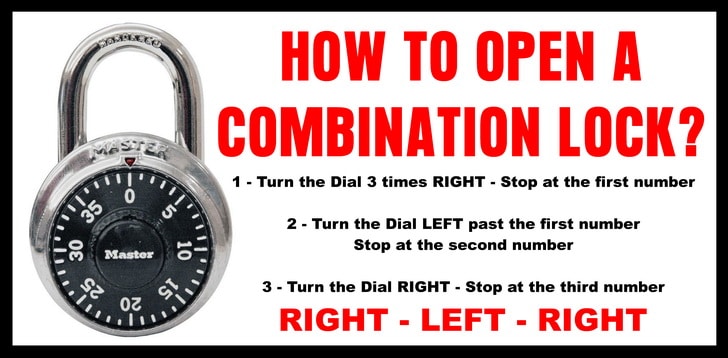
Most people fail to open their locks because they ignore the strict turning order required by internal wheels. The mechanism demands specific directions and rotation counts to align the gates properly.
Reset the Dial Completely Before Starting
You must clear any previous attempts from the lock memory before entering your code. Turn the dial clockwise at least three to four full times to disengage all internal components. Skipping this reset step causes misalignment even if you know the correct numbers.
Enter the First Number Clockwise
Continue turning the dial clockwise after your reset rotations. Stop precisely on the first number of your combination the very first time you reach it. Do not overshoot the target or go back, as this ruins the alignment for the rest of the sequence.
Pass the Second Number Once Then Stop
Turn the dial counterclockwise to address the second digit in your code. You must pass the target number once completely and stop on it during your second pass. This specific rule engages the second internal wheel that keeps the shackle locked tight.
Stop Directly on the Third Number
Rotate the dial clockwise again to find your final digit. Stop immediately when the dial hits the third number on the first pass without any extra spins. The shackle should pop open instantly if you followed the directional rules correctly.
Pro Tip: New locks often ship with default codes like 0-0-0 or 38-4-18 printed on the packaging tag.
Resolve Common Dialing Errors Quickly
Even with the right code, small mistakes in timing or direction prevent the lock from opening. Understanding why the mechanism jams helps you fix the issue without forcing the shackle.
Identify Why the Lock Stays Closed
A lock that feels stuck is usually just misdialed rather than broken. Common errors include stopping at the second number too early or failing to reset with enough clockwise turns. Never force the shackle if it resists, as this can bend internal springs permanently.
Re-Engage the Mechanism After Failure
Restart the entire process from the beginning if your first attempt fails to open the lock. Turn the dial clockwise three to four full times to reset the wheels before entering the first number again. Trying to adjust from your current position rarely works because the internal gates are misaligned.
Use Tension to Open Lost Rotary Codes
You can bypass a forgotten code on rotary dial locks by exploiting loose manufacturing tolerances. This tension method relies on feeling for resistance changes in the dials while pulling the shackle.
Apply Steady Upward Tension on Shackle
Pull the metal shackle upward firmly as if you are trying to open the lock. Maintain this constant pressure with your fingers or a carabiner while you manipulate the dials. This force binds the internal wheels one by one to reveal the correct numbers.
Warning: Use steady tension rather than violent yanking to avoid damaging the lock mechanism.
Feel for Resistance on Each Dial
Rotate each dial slowly while keeping upward pressure on the shackle to find the tightest spot. One dial will feel significantly stiffer than the others or produce a faint click when it hits the right number. Note this digit and scramble the lock to verify the resistance happens again.
Isolate Remaining Digits Sequentially
Set the first digit you found and continue applying tension to find the next stiff dial. The second digit will show clear resistance once the first wheel is aligned properly. Repeat this process for the final dial until the shackle releases completely.
Sweep Tumbler Locks Using Systematic Pressure

Briefcases and luggage often use three independent dials that respond well to constant outward pressure. You can brute force these locks in under six minutes by testing combinations in a logical order.
Maintain Constant Outward Latch Pressure
Push or pull the release button outward and hold it there throughout the entire process. The internal latch will only disengage when the correct numbers align while you maintain this pressure. Release the button only after the case pops open.
Rotate Rightmost Dial From Zero to Nine
Start with all dials at zero and keep pressure on the release mechanism. Turn only the rightmost dial through every number from zero to nine while watching for a click. Move to the next step if the lock does not open during this initial sweep.
Increment Middle Dial and Repeat Sweep
Change the middle dial to one and sweep the rightmost dial from zero to nine again. Continue this pattern by increasing the middle digit after every full rotation of the right dial. This method ensures you test every possible combination efficiently without missing the code.
Detect Instant Release During Rotation
The lock will click open immediately when all three digits align under your constant pressure. You do not need to stop and check each number because the release is physical and unmistakable. Keep your hand on the latch to feel the exact moment the mechanism disengages.
Speed Hack: Most users pick simple codes like birth years, so you may open the lock before testing half the combinations.
Compare Methods for Your Specific Lock
Select the right technique based on whether you know the code and what type of lock you face. Understanding these differences saves time and prevents unnecessary frustration.
| Feature | Known Code Sequence | Tension Method | Brute-Force Sweep |
|---|---|---|---|
| Best For | Rotary dial lockers | Lost code rotary | Tumbler luggage |
| Time Required | Under 10 seconds | Under 30 seconds | Under 6 minutes |
| Tools Needed | None | Fingers only | None |
| Skill Level | Low | Medium | Low |
| Success Rate | 100 percent | High on budget locks | 100 percent |
Troubleshoot Stubborn Lock Mechanisms
Some locks resist opening due to ambiguous resistance signals or internal sticking issues. These troubleshooting steps help you handle difficult situations without causing damage.
Handle Ambiguous Resistance Signals
Test both candidates if two numbers feel equally stiff on a single dial. Set one number and try to find the remaining digits, then switch to the other candidate if progress stalls. The correct digit will allow the subsequent wheels to bind clearly.
Fix a Stuck Internal Mechanism
Perform a full reset by turning the dial clockwise four times if the lock refuses to open. Ensure you are following the pass-once rule for the second number strictly before trying again. Forcing the mechanism can break springs that are difficult to repair.
Speed Up Your Brute-Force Attempts
Keep one hand maintaining latch pressure while rotating dials with your other fingers. Move through the numbers in a smooth continuous pattern to maximize your speed. Most locks open before you reach the 500 mark if you maintain steady pressure.
Prevent Future Lockout Situations
Adopt smart habits to avoid losing access to your belongings again in the future. Proper maintenance and code selection keep your locks functional and accessible.
Set a Memorable Combination Code
Choose a code based on a partial phone number or a favorite year instead of random digits. Write this code down in a secure place away from the lock itself. Avoid using obvious sequences like 1-2-3 that thieves guess easily.
Reset Tumbler Locks Properly
Find the reset button inside your case or in a small pinhole to change the factory code. Press and hold this button while setting your new dials, then release to lock it in. Your lock will now only open with your personalized combination.
Maintain Lock Function Regularly
Clean your dials with a dry cloth to remove dirt that causes sticking. Spray a small amount of dry lubricant into the shackle area if the dial feels gritty. Avoid using oil or water, which attracts dust and jams internal parts over time.
Frequently Asked Questions About 3 Combination Locks
Can I open a 3-digit lock without knowing the code?
Yes, you can open most rotary locks using the tension method or brute force tumbler locks by applying constant pressure. These techniques exploit mechanical tolerances to reveal the correct numbers without tools.
What is the default code for most new combination locks?
Many new locks come set to 0-0-0 or a specific code like 38-4-18 printed on the packaging. Check the tag attached to the lock or the original box for this information before trying bypass methods.
Why does my lock not open even with the right numbers?
You likely failed to pass the second number once or did not reset the dial fully before starting. Restart the sequence from the beginning with three full clockwise turns to clear the internal wheels.
How long does it take to brute force a 3-digit lock?
A systematic sweep of all 1,000 combinations takes under six minutes for a practiced user. Most locks open much faster because people tend to choose simple, predictable codes.
Is it legal to use these methods on any lock?
These techniques are intended only for recovering access to your own property or educational purposes. Using them on locks you do not own or have permission to open is illegal and unethical.
Key Takeaways for Opening Your 3 Combination Lock

You now have the knowledge to handle any 3-digit combination lock situation with confidence. Remember that precise directional turns are essential for known codes, while tension and pressure work best for lost combinations. Practice these methods on an old lock to build your skills before you face a real emergency.
Always start by resetting the mechanism fully to avoid simple alignment errors. Use the tension method for rotary gym locks and the systematic sweep for luggage cases to regain access quickly. With these techniques, you can solve most lockout problems in minutes without causing damage.