A curious toddler discovering the open refrigerator can lead to spilled milk, wasted food, or even dangerous accidents in seconds. Learning how to lock refrigerator door units effectively is the fastest way to childproof your kitchen and stop this chaos before it starts.
This guide shows you exactly how to install a child safety door lock using simple tools and clear steps. You will master surface preparation, precise placement, and daily maintenance to keep your home secure within minutes.
Select the Correct Child Safety Door Lock

Choosing the right hardware is the first step toward a secure kitchen environment. The ideal refrigerator door lock features durable construction and a reliable locking mechanism that toddlers cannot bypass.
Essential Features to Look For
Your chosen lock should include these specific components for maximum security:
* Steel wire core with a protective coating for durability
* Double-sided adhesive backing for strong attachment
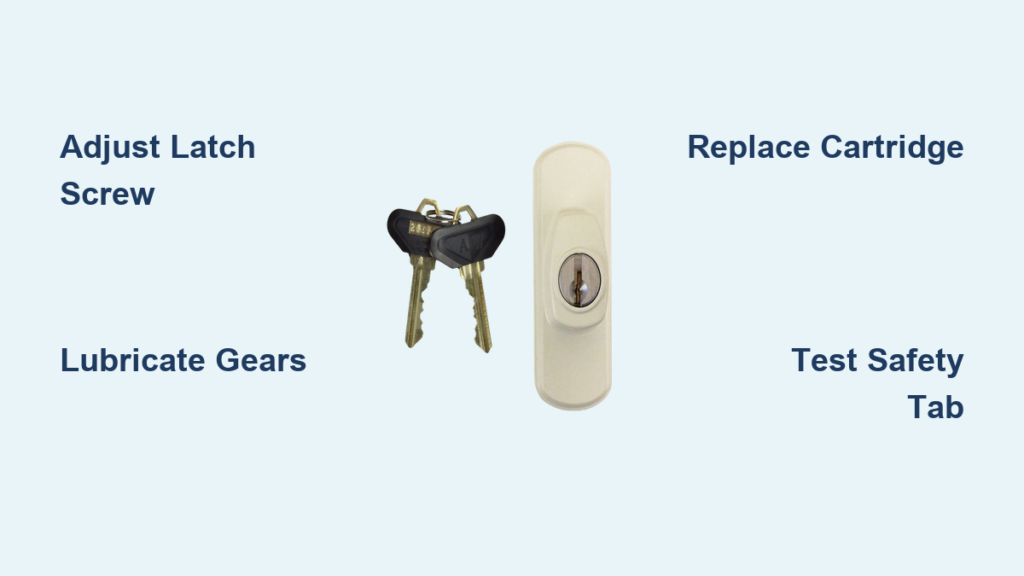
* Key-operated sliding mechanism for adult access
* Locking pins that fit securely into the door frame
Versatility of the Lock
This device works on more than just fridges. You can use it on wardrobes, kitchen cabinets, and medicine storage units. Its design accommodates both hinged and sliding doors, making it a versatile solution for whole-home safety.
Prepare the Installation Surface Properly
A strong bond requires a perfectly clean surface. Skipping this step often leads to lock failure, so take your time to prep the area thoroughly before applying any adhesive.
Clean Surface Thoroughly
Use the included primer wipe to scrub the installation spot on your refrigerator. You must remove these common contaminants:
* Dust particles
* Grease from cooking
* Fingerprints and smudges
* Residue from old stickers
Wipe the metal or laminate surface near the top corner or side edge. Allow the area to dry completely. If the surface feels slick or dirty, the adhesive will not hold.
Avoid Problematic Surfaces
Do not attempt installation on textured finishes or uneven areas. You should also avoid spots near heating vents, ovens, or areas prone to heavy condensation. Smooth, flat, and dry surfaces provide the best foundation for your child safety door lock.
Install the Refrigerator Lock Correctly
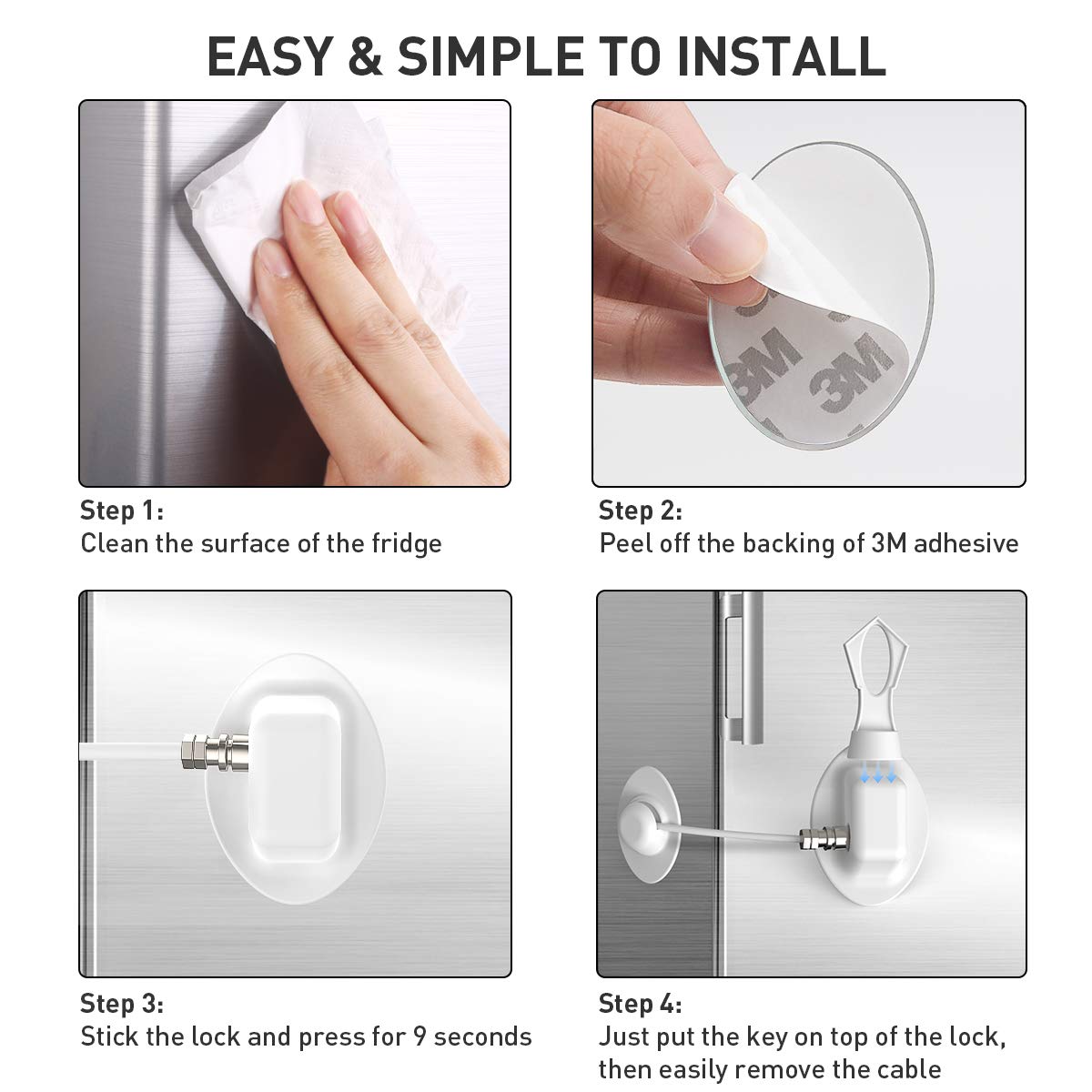
Precise placement ensures the lock functions without blocking your view or hindering daily use. Remember that the adhesive bonds instantly, so you only get one chance to position it right.
Position Lock Correctly
Hold the main unit against the fridge to test different spots before peeling anything. Ideal locations include:
* The top corner of the refrigerator door
* The side edge just below the handle
* An area out of direct sight but easy for adults to reach
Once you are satisfied with the position, mark it mentally. Do not move the lock after the adhesive touches the surface.
Apply Adhesive Securely
Follow these steps to attach the lock permanently:
1. Peel off the protective film from the back of the lock unit.
2. Press the unit firmly onto your cleaned and dried area.
3. Hold it in place for 30 seconds to activate the adhesive bond.
4. Leave the lock untouched for at least 24 hours before use.
This waiting period is critical. Using the lock too soon can pull the adhesive off the door, requiring you to start over.
Insert Locking Pin for Security
After the adhesive cures for a full day, you can install the mechanical components. This step creates the physical barrier that stops the door from opening fully.
Align with Door Frame
Insert the locking pin into the front or back of the mechanism, depending on your fridge layout. Close the door gently to ensure the pin fits snugly against the frame. Some models allow you to adjust the orientation for front or rear insertion. The pin acts as a stopper that prevents the door from swinging open.
Test Lock Function
Try to open the refrigerator door to verify the installation. The door should only open slightly until it hits the pin. Use the key to slide the lock open and remove the pin. If the door opens freely, check your pin alignment and ensure the lock is positioned correctly.
Use and Maintain Daily Habits
Consistent usage habits ensure your refrigerator door lock remains effective over time. Small changes in your routine can prevent accidents and extend the life of the device.
Keep Key Out of Reach
Store the key in a secure, high-up location immediately after use. Good storage spots include:
* A locked drawer
* A high kitchen cabinet
* Your personal purse or pocket
Never leave the key on the countertop or near the fridge. Even the smartest lock is useless if a child learns where you hide the key.
Check Lock Weekly
Perform a quick safety inspection every week. Verify that the lock is still firmly attached and that the pin slides smoothly. Replace the unit if you notice loose adhesion, cracks in the housing, or difficulty locking and unlocking.
Troubleshooting Common Issues
Even with careful installation, you might encounter minor issues. Understanding these problems helps you fix them quickly without compromising safety.
Lock Won’t Stay Attached
If the lock falls off, the surface likely was not clean enough or was too cold during installation. Remove the lock carefully, re-clean the area with the primer wipe, and wait 24 hours before reapplying. Ensure the room temperature is moderate during this process.
Door Still Opens Slightly
A small gap is normal, but the door should not open enough for a hand to reach inside. If the gap is too large, reposition the lock higher or lower on the door. For double-door fridges, consider using a second lock for added resistance.
Child Can Push Door Open
If a strong toddler forces the door, check that the pin hits the frame squarely. You may need to reinforce the setup with a secondary latch. In some cases, upgrading to a pressure-based cabinet lock provides the extra resistance needed.
Explore Alternative Locking Methods

While adhesive locks are popular, other options exist for different refrigerator types and parental preferences.
Magnetic Cabinet Locks
These systems use a hidden magnetic release installed inside the door frame. You unlock them with a magnetic key, leaving no visible keyhole. This is an excellent choice for modern fridges with flat fronts where you want a discreet look.
Rope and Tie-Down Locks
This low-cost option uses plastic cords or adjustable straps with childproof buckles. You wrap them around the handles and tie a knot only adults can undo. While less secure than steel locks, they work well for temporary setups.
Built-In Lock Features
Many high-end Samsung, LG, and GE Profile models include digital door locks. These often feature a “Child Lock” button that disables dispensers or locks doors electronically. Check your user manual to see if your appliance has this built-in capability.
Follow Critical Safety Tips for Parents
Locks are powerful tools, but they work best as part of a broader safety strategy. Never rely on a single device to keep your child safe.
Never Rely on Locks Alone
Always supervise young children in the kitchen. Keep dangerous items like medications, sharp tools, and toxic cleaners in higher cabinets. Use your child safety door lock as one layer of a comprehensive childproofing plan.
Avoid These Common Mistakes
- Using tape or rubber bands: These are easily removed and unsafe.
- Installing on plastic trim: Adhesive fails quickly on these surfaces.
- Skipping the 24-hour wait: This leads to immediate peeling.
- Leaving keys nearby: This defeats the entire purpose of the lock.
Where to Buy Product Recommendations
The Child Safety Door Lock described here is available on Flipkart. Look for models that offer durable steel construction and clear installation guides. Search for “childproof refrigerator lock” or “cabinet safety lock with key” to find compatible options. Prioritize products with high customer ratings and rust-resistant materials to ensure long-term reliability.
Frequently Asked Questions About Locking Refrigerator Doors
How long must I wait to use the lock after installation?
You must wait at least 24 hours before using the lock. This time allows the double-sided adhesive to cure fully and create a permanent, strong bond with the refrigerator surface.
Can I reuse the lock if I move it to a new spot?
No, you cannot reuse the lock once the adhesive has been applied. The bond is permanent upon first contact, so measure and plan your placement carefully before peeling the protective film.
Does this lock work on sliding refrigerator doors?
Yes, this child safety door lock is designed to work on both hinged and sliding doors. Its versatile design allows you to adjust the locking pin orientation to fit your specific refrigerator model.
What if my child figures out how to open the lock?
If a child learns to manipulate the lock, move the key to a more secure location immediately. You may also need to upgrade to a magnetic lock system or add a secondary latch for extra security.
Is the lock visible from the front of the fridge?
The lock is visible but can be placed in less obvious spots like the top corner or side edge. If you prefer a hidden look, consider magnetic cabinet locks that install inside the door frame.
Key Takeaways for How to Lock Refrigerator Door Safely
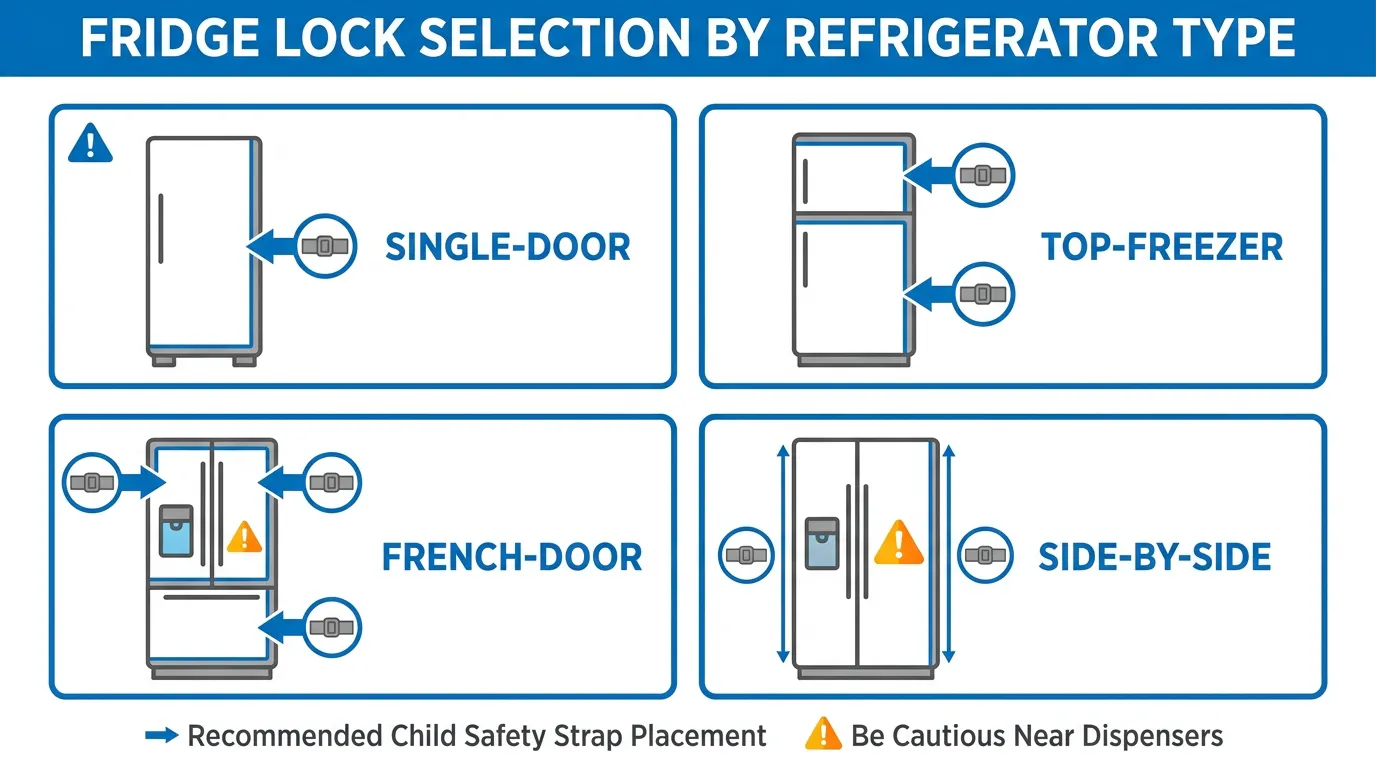
Securing your refrigerator is a simple yet vital step in protecting your home from curious toddlers. By choosing a durable child safety door lock, preparing the surface correctly, and waiting the full 24 hours for adhesion, you create a reliable barrier against accidents. Remember to store the key safely and check the lock weekly to ensure it remains effective.
Take action today by purchasing a quality lock and following these installation steps. Your peace of mind is worth the small effort of setting up this essential safety device.