A stiff key that won’t turn, a deadbolt that fails to catch, or a doorknob that refuses to latch can quickly turn into a security headache. These everyday lock problems are more common than most homeowners realize, and they often signal minor mechanical issues rather than serious damage. The good news is that learning how to fix a lock yourself takes less time than you might think, and most repairs require only basic tools you likely already own.
This guide walks you through the most effective lock repair methods, starting with the simplest solution and progressing to more involved fixes. You’ll discover which lubricants actually work, how to spot a worn key, when misalignment is the real culprit, and when it’s time to call a professional. Follow these steps in order, and you’ll solve the vast majority of lock problems without replacing anything.
Lubricate the Keyhole and Mechanism First
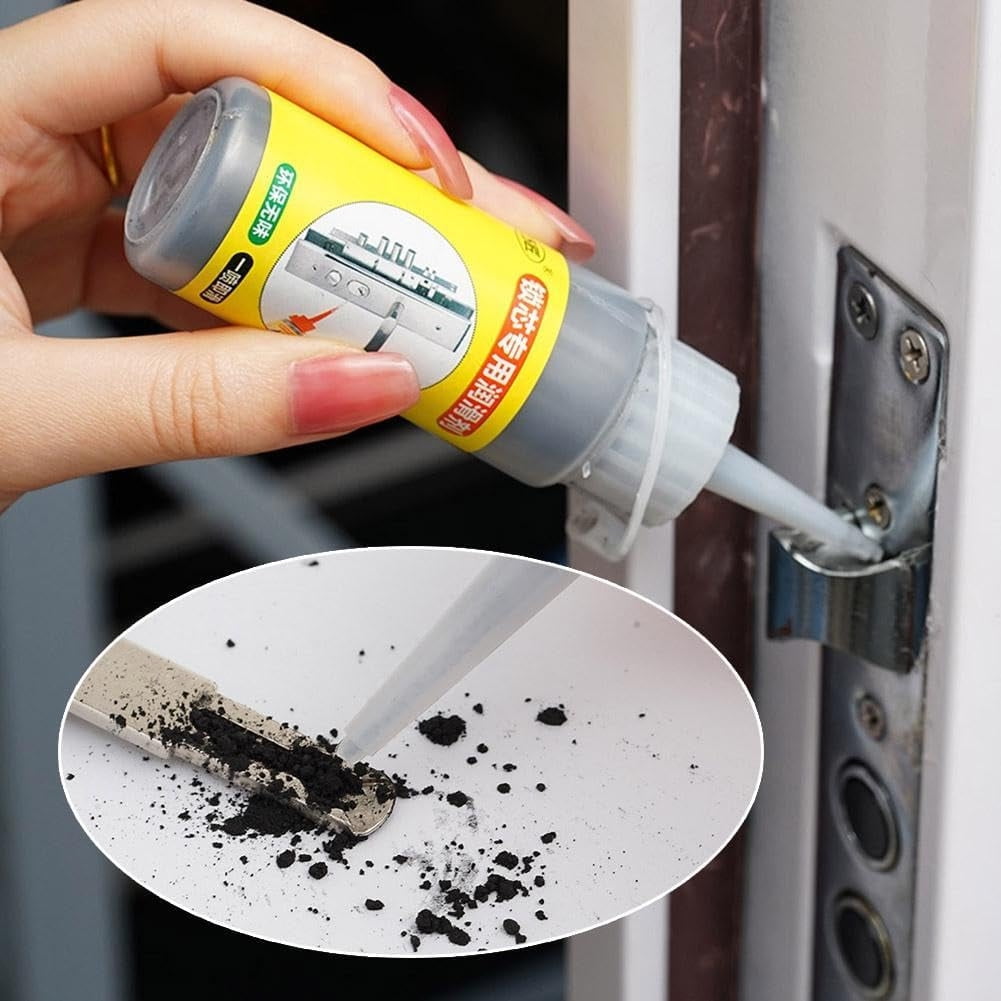
Friction from dried lubricant and debris is the leading cause of lock stiffness. Before disassembling anything or buying replacement parts, apply the right lubricant to the keyway and internal components. This single step resolves up to 80% of stiff lock issues.
Choose a Lock-Safe Lubricant
Not every lubricant belongs inside a lock. Graphite powder and Houdini lock lubricant are the top choices because they stay dry, resist attracting dirt, and perform across temperature extremes. Avoid WD-40, silicone sprays, petroleum products, and household oils. These trap grime, leave sticky residue, and actually make stiffness worse over time.
Apply Lubricant to the Keyway
When a key resists turning or won’t budge at all:
- Shake the lubricant container briefly.
- Insert the nozzle directly into the keyhole.
- Spray 3 to 5 short bursts into the cylinder.
- Insert the key and rake it back and forth 10 times.
- Turn the key fully in both directions several times.
This distributes the lubricant through the pins and tumblers, often restoring smooth operation instantly.
Lubricate Internal Doorknob Components
If the lock button on your doorknob feels stiff or unresponsive:
- Remove the Phillips screws on the back plate.
- Pull off the knob to expose the latch mechanism.
- Apply a light coat of graphite to the latch bolt, pivot points, and spring contacts.
- Reassemble and test.
A light coating is all you need. Excess lubricant attracts dust and creates new blockages.
Inspect and Restore a Worn Key
Sometimes the problem isn’t the lock at all; it’s the key. Even a recently duplicated key can fail if it was copied from a degraded original. Before assuming the lock is broken, check the key itself.
Spot the Signs of Key Wear
A worn key shows clear visual clues:
- Rounded or flattened cut edges
- Smoothed blade profile
- Loose or sloppy fit in the keyway
- Incomplete insertion depth
Compare Against a Known-Good Original
Place the suspect key next to a factory-original or a fresh duplicate. If the cuts appear shallower or less defined, wear is the issue. A key gauge or micrometer confirms whether dimensions still match factory specifications.
File or Replace the Key
For minor wear, a precision key file can restore cuts to factory depth. For severe wear, cut a new key from the lock itself at a hardware store or locksmith. This guarantees perfect alignment with the internal pins.
Pro Tip: A new key won’t fix a worn lock, but a worn key will always cause problems even in a perfectly healthy mechanism.
Diagnose Worn Internal Components

When lubrication and key replacement both fail, the issue lies inside the lock body. Pin tumbler locks (common in homes) and wafer locks (used in vehicles and cabinets) degrade with frequent use and eventually need attention.
Identify Worn Pins or Wafers
Disassemble the lock following manufacturer instructions, then inspect each component:
- Pins for flattened tops or uneven edges
- Wafers for bending, cracking, or thinning
- Springs for weakness or breakage
Any visible wear means the lock can no longer engage reliably.
Replace or Rebuild the Lock
Two options exist at this stage:
- Replace the entire lock: Fast, affordable, and ideal for standard residential models. Replacement also lets you upgrade security.
- Rebuild the lock: Only practical for high-end or specialty units where parts are available. Requires skill and proper tools.
Bottom Line: Worn internal parts cannot be fixed with lubrication or a new key. The lock body must be replaced or professionally serviced.
Fix a Misaligned Deadbolt
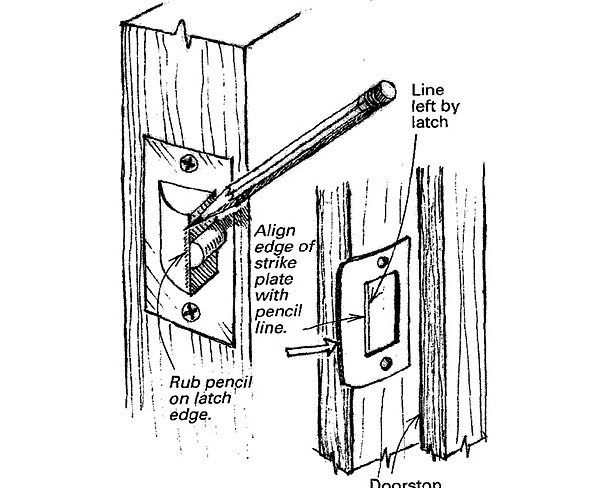
A deadbolt that won’t extend fully or jams when closing is rarely broken. The real problem is almost always misalignment between the bolt and the striker plate on the door frame.
Test the Bolt Position
- Open the door and extend the deadbolt manually.
- Use a pencil to mark where the bolt tip touches the frame.
- Close the door and compare the marks to the striker plate opening.
This reveals exactly which direction to adjust.
| Mark Position | Problem | Fix |
|---|---|---|
| Above opening | Striker too low | Raise plate |
| Below opening | Striker too high | Lower plate |
| Bolt hits edge | Plate too far in or out | Shift plate horizontally |
Adjust the Strike Plate
Once you know the direction of misalignment, repositioning the striker plate is straightforward.
Reposition the Metal Guide
- Loosen the screws on the striker plate without removing them fully.
- Tap gently with a hammer and chisel to shift the plate up, down, or sideways.
- For large gaps, enlarge the mortise in the frame with a chisel.
- Re-tighten screws and test the bolt.
Pro Tip: Mark new screw holes with a pencil before drilling to prevent splitting the wood and ensure precise placement.
Smooth the Entry Ramp
Many striker plates have a beveled entry that guides the bolt into place. If it’s worn or too shallow:
- Use a round file to deepen the curve.
- Deburr the edges so the bolt slides in without catching.
The deadbolt should now engage silently and securely.
Fix a Sticking Doorknob Latch
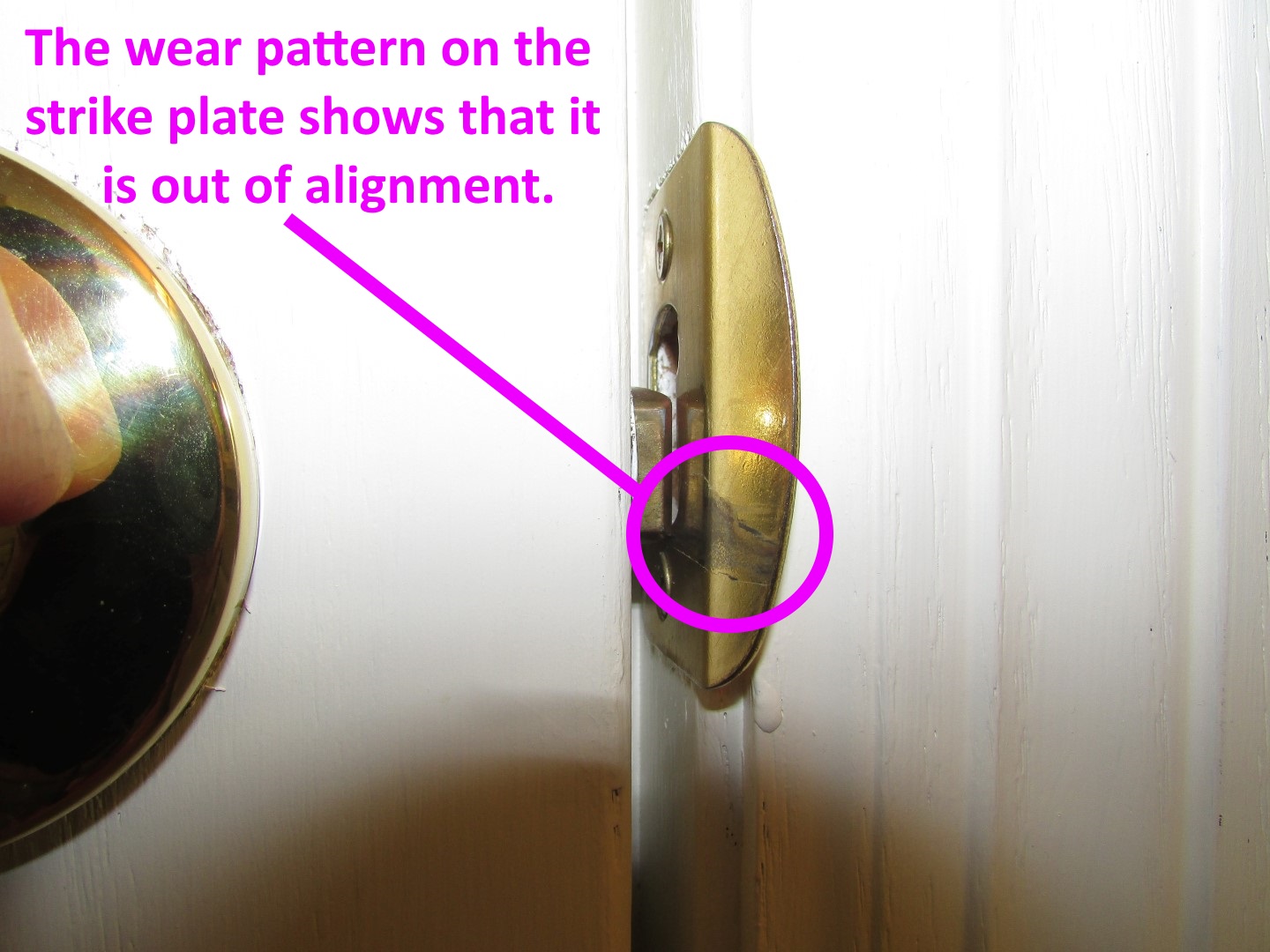
When a door won’t latch even though the lock seems to work, the latch and strike plate are likely misaligned.
Check Latch and Strike Plate Alignment
Close the door slowly and watch where the latch meets the frame. Look for scuff marks on the striker plate; these reveal exactly where misalignment occurs. Common issues include the latch hitting above or below the opening, or scraping the edge instead of sliding in.
Adjust the Strike Plate Height
- Loosen the two screws on the striker plate.
- Shift the plate vertically until the latch aligns with the opening.
- Tighten the screws and test.
For horizontal misalignment, move the plate inward or outward until the latch clears.
Lubricate the Latch Bolt
Even with perfect alignment, a dry latch can stick. Apply a small dab of graphite to the bolt and spring mechanism inside the knob for smooth operation.
Gather the Essential Tools
You don’t need a full workshop to handle most lock repairs. These basics cover 95% of fixes:
| Tool or Material | Purpose |
|---|---|
| Graphite lubricant | Safe, long-lasting internal lubrication |
| Phillips screwdriver | Remove knobs and adjust striker plates |
| Pencil | Mark alignment and drill points |
| Key gauge or micrometer | Verify key wear |
| Chisel and hammer | Adjust striker plate mortise |
| Round file | Smooth striker entry ramp |
Most repairs take 10 to 15 minutes and cost nothing if you already own these tools.
Follow the Lock-Fix Decision Tree
When a lock fails, work through this sequence to avoid wasted effort:
- Lubricate with graphite or Houdini into the keyway and moving parts.
- Check the key for wear, then file or replace if needed.
- Test alignment for deadbolts and latches by verifying striker plate position.
- Adjust or replace the striker plate, or swap out worn locks entirely.
This order prevents unnecessary disassembly and keeps the repair as simple as possible.
Fact: Lubrication alone fixes up to 80% of stiff lock issues, so always start there.
Prevent Future Lock Problems
A few simple habits keep locks working smoothly for years:
- Lubricate every 6 to 12 months using graphite
- Inspect keys quarterly for visible wear
- Clean keyholes with compressed air before lubricating
- Check door alignment seasonally since wood expands and contracts with humidity
- Address stiffness early before it becomes total failure
A few minutes of maintenance saves hours of frustration later.
Know When to Call a Locksmith
Some situations demand professional help rather than a DIY fix:
- High-security locks such as Medeco or Mul-T-Lock
- Electronic or smart locks with wiring or coding issues
- Antique or rare mechanisms with custom parts
- Repeated failures after multiple DIY attempts
- Broken keys stuck inside the cylinder
Also call a professional if you suspect lock tampering or forced entry, since security may already be compromised.
Frequently Asked Questions About Fixing Locks
What is the best lubricant for a stiff lock?
Graphite powder and Houdini lock lubricant are the best choices because they stay dry, resist attracting dust, and perform across temperature extremes. Avoid WD-40, silicone sprays, and household oils, since these leave residue that worsens stiffness over time.
Can a worn key damage a lock?
A worn key will not directly damage internal components, but it causes poor engagement with the pins, leading to extra force, jamming, and eventual key breakage inside the cylinder. Replacing or filing the key restores proper function and prevents further issues.
How do I know if my deadbolt is misaligned?
Extend the deadbolt manually while the door is open and mark where the bolt meets the frame with a pencil. Close the door and compare the marks to the striker plate opening. If the marks fall above, below, or beside the opening, the striker plate needs adjustment.
How often should I lubricate my door locks?
Residential door locks should be lubricated every 6 to 12 months with graphite. High-use locks, such as those on frequently accessed doors or vehicles, benefit from more frequent lubrication to prevent stiffness and wear.
When should I replace a lock instead of repairing it?
Replace the lock when internal pins, wafers, or springs show visible wear or damage, when the lock fails repeatedly after lubrication and key replacement, or when you want to upgrade security. Rebuilding is only practical for high-end or specialty locks where replacement parts are available.
Can I fix a lock without taking it apart?
Most lock problems can be fixed without disassembly. Lubricating the keyway, restoring a worn key, and adjusting the striker plate handle the majority of issues. Disassembly is only necessary when internal components show visible wear or damage.
Key Takeaways for Fixing Your Lock Successfully
Learning how to fix a lock saves money, improves home security, and eliminates the frustration of dealing with stiff keys and stubborn deadbolts. Start every repair with graphite lubrication, since this single step resolves up to 80% of common lock issues. If the problem persists, inspect the key for wear and replace or file it as needed. For deadbolts and latches that won’t engage, adjust the striker plate rather than replacing the entire lock. Reserve full lock replacement for cases involving worn internal components, and call a professional for high-security, electronic, or antique mechanisms. Pick up a tube of graphite lubricant and a Phillips screwdriver today, and you’ll be ready to handle the next lock problem in under 15 minutes.