You are standing outside your home, the door is shut, and the deadbolt is firmly engaged. Knowing how to pick a bolt lock can transform this stressful moment into a solvable mechanical puzzle, provided you have authorization to enter. This skill relies on understanding internal mechanisms rather than brute force, allowing you to restore access using minimal tools.
This guide details the specific methods for opening pin tumbler deadbolts through single-pin picking, raking, or bypassing techniques. You will learn to assess your specific door type, select the right improvised or professional tools, and execute precise movements to align pins at the shear line.
Analyze the Lock Before Inserting Tools

A quick visual and tactile assessment determines your strategy before you touch a pick. Skipping this step often leads to wasted effort on a lock that could have been bypassed instantly.
Check Door Opening Direction
Identify if the door pulls or pushes open to determine bolt visibility.
* Pull doors: The deadbolt tip is visible and accessible from your side.
* Push doors: The bolt is hidden behind the frame stop, blocking direct access.
Visibility dictates your options. If you can see the bolt tip, a bypass method called deadbolt walking might work. If the bolt is concealed, you must pick through the keyway.
Perform the Handle Test
Test the door handle to confirm which mechanism is blocking entry.
1. Try turning the knob or lever gently.
2. If it turns freely, the latch is not engaged, so check if the door opens.
3. If locked, determine if the spring latch or the deadbolt is the primary barrier.
Key Insight: Never waste time manipulating the latch if the deadbolt is extended. The deadbolt physically overrides the latch and blocks the door from moving.
Look for Bolt Gaps
Inspect the area where the bolt enters the strike plate for vulnerabilities.
* Check for a visible gap between the bolt tip and the metal plate.
* Push and pull the door slightly to feel for movement.
These signs indicate partial bolt engagement caused by poor installation or sagging frames. When present, this misalignment allows for the fastest entry method known as deadbolt walking.
Choose the Right Tools for the Job

Effective lock picking requires two core tools: one to apply tension and one to manipulate the pins. You can use professional sets or create effective improvised versions.
Use a Tension Wrench Correctly
The tension wrench applies rotational pressure to the plug, simulating the turning force of a key.
* Insert the tool into the bottom or top of the keyway.
* Apply light pressure in the counterclockwise direction, which unlocks most deadbolts.
* Avoid excessive force, as too much tension binds pins while too little lets them fall back.
Pro Tip: A large paper clip bent into a loop with a twisted base creates natural spring resistance. This setup is ideal for beginners because it prevents over-tensioning.
Select the Appropriate Pick
Different picks serve different strategies depending on the lock condition.
Hook Pick for Precision
- Best for single-pin picking on high-security locks.
- Features a small upward curve at the tip for lifting individual pins.
- Allows you to feel exactly when a pin sets at the shear line.
Rake Pick for Speed
- Features multiple bumps in a W shape or similar pattern.
- Used to rapidly bounce multiple pins upward simultaneously.
- Works well on worn locks or those with standard tolerances.
DIY Option: Straighten a large paper clip and bend the end into a 45-degree hook for a feeler pick. For a W rake, make three distinct bends: down, up, and down again.
Apply Light Rotational Pressure
Tension is the foundation of all lock manipulation techniques. If you get this step wrong, no amount of picking will open the lock.
Find the Correct Turning Direction
Most deadbolts unlock counterclockwise, but you must verify this for your specific lock.
* If no pins respond to your lifting, reverse the wrench direction.
* The correct direction often feels slightly mushy under tension.
* The wrong direction feels solid, jammed, or completely unyielding.
Maintain Consistent Tension
Use your non-dominant hand to hold the tension wrench steady throughout the process.
* Apply just enough pressure to create binding on the pins.
* Think of holding a bird: firm enough to control it but gentle enough not to crush it.
Warning: Over-tightening causes false binding where pins stick to the housing instead of setting cleanly at the shear line.
Feel for Feedback
Pay close attention to tactile and auditory cues as you work.
* A properly tensioned plug will rotate slightly when a pin sets.
* You may hear a faint click or feel a micro-shift in the cylinder.
* This tactile confirmation indicates that a pin is now holding the rotation.
Pick With a Hook Using Single Pin Method
Single pin picking is the most precise and reliable technique for opening bolt locks without damage. It requires patience and a focus on individual pin stacks.
Insert the Hook Pick
Slide the hook into the keyway with the tip facing upward. Start from the back or front of the lock, whichever gives you better access to the pin stacks. Gently probe each stack to locate the pins.
Lift Pins One at a Time
Apply upward pressure on each pin individually while maintaining tension.
* Focus on resistance: the binding pin will feel stiff while others move freely.
* Lift the binding pin until you feel it set at the shear line.
* Wait for the slight rotation of the plug before moving to the next pin.
Expert Note: After each pin sets, the plug rotates microscopically. This shifts the binding force to the next pin in the sequence, guiding your order of operation.
Work Through the Stack
Move methodically from front to back or back to front through the pin stack.
* If you get stuck after 60 seconds, release tension completely and restart.
* Continuing without resetting leads to false sets and increased frustration.
Time Tip: On average, expect to spend 1 to 3 minutes on a standard deadbolt once you have developed skill.
Try Raking for Faster Results
Raking is a faster, less precise method suitable for worn locks or situations where speed is critical. It relies on probability rather than precision.
Insert the Rake and Tension Wrench
Place the tension wrench in the lower part of the keyway and apply light rotational pressure. Insert the W rake from the top of the keyway, ensuring it reaches the back pins.
Execute Rapid Agitation
Use a combination of motions to bounce the pins randomly.
* In-and-out: Quickly push and pull the rake horizontally.
* Up-and-down rocking: Vary the angle to hit different pin heights.
* Brushing motion: Sweep across the pins with controlled, rapid force.
Listen for Success
You will hear a series of rapid clicks as the pins jump up and down. When all pins align momentarily at the shear line, the plug will rotate. Turn the tension wrench fully to unlock the door immediately.
Best For: Older locks, low-cost hardware, or emergency situations where speed matters more than elegance.
Bypass With Deadbolt Walking Technique
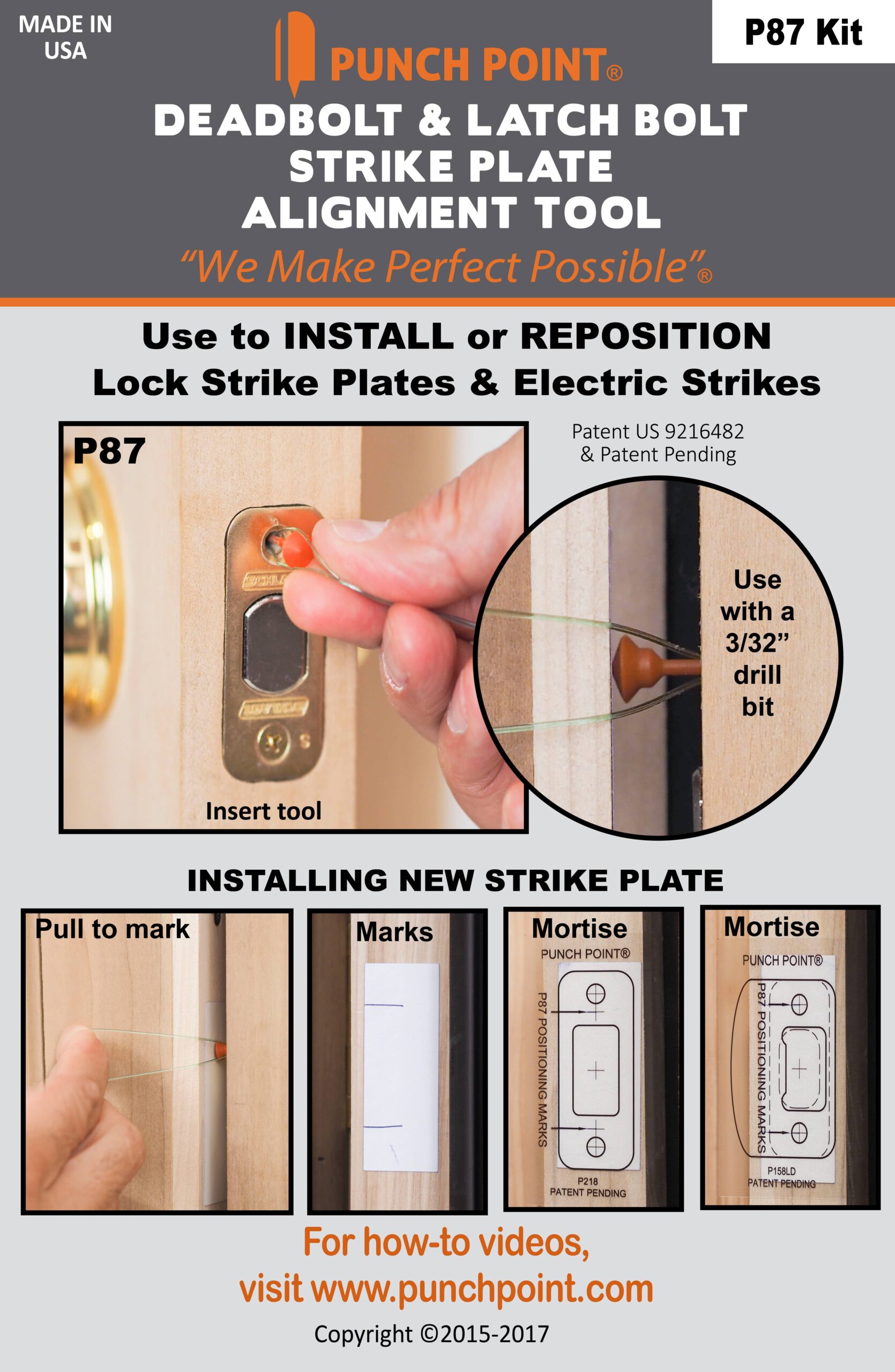
When the bolt is not fully extended, you can bypass the locking mechanism entirely without picking pins. This method exploits installation errors.
Confirm a Gap Exists
Look closely for space between the bolt tip and the strike plate. Push and pull the door gently to see if it moves slightly. This slack indicates partial engagement due to frame wear or shallow drilling.
Eligibility Check: This only works with partial engagement. If the bolt is flush with the plate, this method will fail.
Insert a Thin Tool
Use a pocket knife blade, lock slide, or stiff plastic shim. Slide it carefully between the door edge and the frame, targeting the face of the bolt directly.
Retract the Bolt
Once behind the bolt, use a rocking motion to push it back into the door.
* Apply lateral pressure left and right to walk the bolt out of the strike plate.
* Move slowly to avoid damaging the tool or the door frame.
* Continue until the bolt clears the plate entirely.
Limitation: This fails if the bolt is fully extended. No gap means no bypass is possible.
Troubleshoot Failed Attempts
Even experienced pickers face resistance. Adjust your approach based on the feedback the lock provides.
Reverse Tension Direction
If no pins respond to your lifting, remove the wrench and reinsert it. Try turning clockwise instead of counterclockwise. Some locks are designed to unlock in the opposite direction of the norm.
Reset After 90 Seconds
If you make no progress within 60 to 90 seconds, stop immediately.
* Remove tension to let all pins drop back to their default position.
* Restart the process with lighter pressure and a fresh approach.
Why Reset?: Prolonged picking creates false sets where pins get stuck above or below the shear line, blocking rotation entirely.
Reduce Internal Friction
New locks can be stiff and difficult to manipulate. Apply graphite powder into the keyway to lubricate pin movement without gumming up the mechanism. Avoid oil-based lubricants as they attract dirt.
Bonus: Older locks are often easier to pick because they have worn in naturally, reducing internal friction.
Train Safely and Legally on Practice Locks

Practice builds mastery, but only if done responsibly and on locks you own. Unauthorized picking is illegal and unethical.
Start With Transparent Locks
Use a clear acrylic training padlock to visualize the process.
* Watch pin movement in real time as you apply tension.
* See exactly how tension affects the shear line alignment.
* Accelerate your understanding of binding order through visual learning.
Move to Mounted Deadbolts
Mount a standard deadbolt on a wooden block to simulate real-world conditions. This setup allows for repeated practice without the complexity of a full door installation. It helps you develop the necessary tactile sensitivity.
Build Tactile Sensitivity
Close your eyes during drills to focus entirely on what you feel. Lock picking is a fine motor skill like playing the piano. Repetition builds the muscle memory needed to distinguish between a set pin and a free one.
Prevent Damage and Respect Legal Limits
Skill comes with the responsibility to use it ethically. Always prioritize the integrity of the lock and the law.
Use Feel, Not Force
Never hammer your picks or wrenches into the keyway. Avoid metal-on-metal grinding that can scar the plug. Bent pins or a damaged plug can permanently disable the lock.
Golden Rule: If the lock does not move easily, you are likely doing something wrong. Stop and reassess.
Know the Legal Limits
Only practice on locks you own or have explicit permission to pick. Possession of lock picks may be regulated in some areas. Using these skills without authorization is illegal and can result in criminal charges.
Ethical Use: This knowledge empowers security awareness and self-reliance, not unauthorized entry.
Frequently Asked Questions About Picking Bolt Locks
Can I pick a deadbolt with just paper clips?
Yes, you can create a functional tension wrench and hook pick from large paper clips. By bending a clip into a loop for tension and shaping another into a 45-degree hook, you can manipulate standard pin tumbler locks effectively.
How long does it take to learn how to pick a bolt lock?
Basic proficiency can take a few hours of focused practice, while mastery takes months. Starting with transparent locks accelerates learning by providing visual feedback on pin movement and shear line alignment.
What is the fastest way to open a locked deadbolt?
Deadbolt walking is the fastest method if a gap exists between the bolt and strike plate. If no gap is present, raking is generally faster than single-pin picking, though it works best on worn or low-security locks.
Is lock picking legal in my area?
Laws vary by jurisdiction, but picking locks you do not own or lack permission to open is generally illegal. Always check local regulations regarding possession of lock picking tools and ensure you only practice on your own property.
Why won’t my pins set when I try to pick the lock?
You are likely applying too much tension or failing to reset the pins. Release all pressure to let the pins drop, then restart with lighter tension. Also, verify you are turning the wrench in the correct unlocking direction.
Key Takeaways for Mastering Bolt Lock Picking
Successfully learning how to pick a bolt lock requires a blend of mechanical knowledge, tactile sensitivity, and patience. You must first assess the door for gaps that allow bypassing, then choose between precision picking or rapid raking based on the lock condition. Remember that light tension and proper tool selection are more effective than force.
Start your journey with transparent practice locks to visualize the mechanics before attempting real-world scenarios. Always operate within legal boundaries and use these skills solely for authorized access and security education. With consistent practice, you can turn a locked door from a barrier into a solvable puzzle.