Firearm accidents in the home often happen due to improper storage or a lack of secure barriers. Knowing how to use a gun lock correctly prevents unauthorized access and protects your family from tragedy.
This guide details the exact steps to clear your weapon, thread a cable lock, and store ammunition safely. You will learn proven methods to ensure your firearm remains secure when not in use.
Clear the Firearm Before Applying Any Lock
You must confirm the firearm is completely unloaded before touching a locking device. This step is non-negotiable and forms the foundation of safe handling.
Follow the Four Universal Safety Rules
Adhere to these rules every time you handle a weapon, especially during the locking process:
- Treat every gun as if it is loaded until you verify otherwise.
- Keep the muzzle pointed in a safe direction away from people.
- Keep your finger off the trigger and outside the trigger guard.
- Know your target and what lies beyond it in your environment.
Violating even one of these rules increases risk significantly. Maintain this mindset throughout the entire procedure.
Execute the Unloading Sequence
For semi-automatic pistols, follow this specific order to ensure the chamber is empty:
- Engage the manual safety if your model has one.
- Remove the magazine and place it in a separate room.
- Pull the slide back and lock it open using the slide stop.
- Visually inspect the chamber from the rear to check for rounds.
- Run a finger inside the chamber to feel for any obstructions.
- Perform a final field check, especially if lighting is poor.
Critical Reminder: Never assume the gun is empty. See it, touch it, and verify it personally before proceeding.
Install the Cable Lock Using the Ejection Port Method

The most effective way to secure a semi-automatic weapon involves threading the cable through the ejection port and magazine well. This method physically blocks the action from closing.
Step-by-Step Threading Instructions
Follow these actions to install the lock securely:
- Ensure the slide remains locked to the rear.
- Insert the free end of the cable through the ejection port.
- Route the cable down through the empty magazine well.
- Pull the cable tight and insert the end into the lock body.
- Turn the key to engage the mechanism and remove the key.
- Tug firmly on the cable to ensure it cannot slip back through.
This configuration prevents the slide from moving forward and blocks magazine insertion simultaneously.
Verify Mechanical Immobilization
Once locked, the firearm must fail specific operational tests. Attempt to close the slide or insert a magazine to confirm the lock works.
If the slide closes fully or a magazine fits, the cable is not routed correctly. Re-thread the cable until the action is completely blocked.
Use the Magazine Well Method as an Alternative

You can also thread the cable from the bottom up. This alternative achieves the same result of rendering the gun inoperable.
Reverse Threading Procedure
Start by inserting the cable into the magazine well from the bottom. Pull it upward through the ejection port until it loops around the internal barrel area.
Secure the ends in the lock body and tighten. This creates a physical barrier across the chamber path.
Manage Slide Position for Spring Health
Allow the slide to return forward only if the cable permits it without compressing the recoil spring. If the cable holds the slide back, leave it in the open position.
Keeping the spring compressed for long periods causes fatigue. Letting the slide rest forward extends the life of your firearm components.
Prevent Unauthorized Loading and Firing
A properly applied lock ensures the weapon cannot be chambered, fired, or disassembled. The cable acts as a hard stop for mechanical operation.
Confirm Action Blockage
Check that the cable obstructs the barrel path completely. No round should be able to enter the chamber with the lock in place.
The magazine well must also be physically blocked. If an unauthorized user cannot insert a magazine, they cannot load the weapon.
Perform the Tug Test
Grab the lock body and pull hard. Try to push the slide forward with force. The lock should not move, slip, or allow any part of the action to close.
If the lock shifts or the slide moves, reapply the device immediately. A loose lock offers a false sense of security.
Store Ammunition in a Separate Location
Securing the firearm is only half the equation. You must also secure the ammunition to prevent accidental discharge.
Adhere to the Separation Rule
Store ammunition in a locked container like a safe or cabinet. Keep this container in a different room from the locked firearm.
Never store magazines with the gun when using only a cable lock. True safety requires both physical and logistical barriers.
Understand the Risk of Combined Storage
A cable lock stops operation, but it is not impervious to tools. A determined person could potentially cut the cable or force a magazine if ammo is nearby.
Separating these elements adds a critical layer of protection. It ensures that accessing one component does not grant access to the other.
Secure the Lock Key in a Third Location
Losing the key or leaving it near the gun defeats the purpose of the lock. Proper key management is essential for safety.
Establish Key Storage Protocols
Keep the key in a location separate from both the gun and the ammo. Use a home safe, a locked drawer, or a vehicle lockbox known only to authorized users.
Never leave the key on top of the firearm or in an obvious hiding spot like a bedside table.
Manage Spare Keys Wisely
If your lock includes a spare key, store it off-site. A fireproof box or safety deposit box works well for redundancy.
Warning: Most cable locks cannot be opened without the original key. If lost, you may need to cut the lock, which could damage the firearm.
Maintain Your Lock and Firearm Regularly
Proper care ensures your safety devices function correctly over time. Inspect your equipment every three to six months.
Check for Wear and Damage
Examine the cable for fraying, kinks, or cuts. Replace the lock immediately if you see any signs of damage.
Test the lock mechanism with the key to ensure smooth turning. Apply a dry lubricant like graphite if the key sticks, but avoid oil which attracts dust.
Preserve Internal Components
When storing long-term, ensure the recoil spring is not under constant tension. Adjust the cable position so the slide can rest forward if possible.
This simple step preserves the mechanical integrity of your firearm for years of reliable service.
Avoid Common Mistakes During Installation
Small errors can compromise the entire safety system. Awareness of these pitfalls helps you avoid dangerous situations.
Never Skip the Clearing Step
Applying a lock to a loaded firearm is extremely dangerous. Always unload the weapon first, every single time.
Do Not Allow Slack in the Cable
A loose cable allows partial operation of the slide. Pull the cable tight before locking it to ensure a secure fit.
Do Not Rely Solely on the Lock
Cable locks can be cut with bolt cutters. They work best as part of a layered security strategy that includes hidden storage.
Compare Cable Locks to Other Security Options
Not all gun locks offer the same level of protection. Understanding the differences helps you choose the right tool.
Cable Lock vs Trigger Lock
Cable locks block the action and magazine well, preventing loading and firing. Trigger locks only cover the trigger guard and may still allow magazine insertion.
Experts generally recommend cable locks because they prevent mechanical operation entirely.
Cable Lock vs Gun Safe
Cable locks are portable and low-cost, making them ideal for transport. Gun safes offer heavy-duty theft resistance for permanent storage.
The best practice is to use both. Lock the gun with a cable and store it inside a safe for maximum security.
Frequently Asked Questions About Gun Locks
Can I leave the slide back on my pistol when using a cable lock?
Yes, leaving the slide back is acceptable and often recommended if the cable prevents the slide from closing. This prevents fatigue on the recoil spring during long-term storage.
What happens if I lose the key to my cable lock?
Most cable locks cannot be picked or opened without the key. You will likely need to cut the cable with heavy-duty tools, which may risk damaging the firearm finish.
Is a cable lock enough to prevent theft of my firearm?
No, cable locks are not theft-proof. They are designed to prevent unauthorized use, not to stop a determined thief with bolt cutters. Use a gun safe for theft protection.
How often should I inspect my gun lock?
Inspect your lock every three to six months. Look for fraying on the cable and test the locking mechanism to ensure it turns smoothly with the key.
Can I use a cable lock on a revolver?
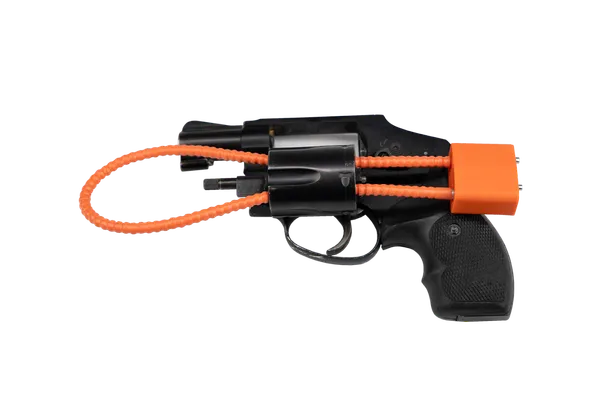
Yes, you can thread a cable lock through the cylinder and frame of a revolver. This prevents the cylinder from rotating and blocks the loading gate.
Key Takeaways for Using a Gun Lock Safely
Mastering how to use a gun lock is a fundamental responsibility for every firearm owner. Always clear your weapon completely before applying the device and store ammunition separately.
Regularly inspect your lock for damage and keep keys in a secure, separate location. Combine cable locks with other security layers for the best protection.
Take action today by checking your current storage setup. Ensure your family and community remain safe through diligent and consistent safety practices.