Losing access to your home creates immediate stress, leading many to search for how to pick a Kwikset lock quickly. While standard models require skill to open, Smart Key versions contain a design flaw allowing instant bypass without a key.
This guide details specific methods to open both traditional 660 deadbolts and vulnerable Smart Key units using proven techniques. You will learn to identify your lock type, execute safe opening procedures, and understand critical security risks associated with these common devices.
Identify Kwikset Smart Key Models

Determining your specific lock model is the essential first step before attempting any entry method. The technique required depends entirely on whether the unit features the Smart Key rekeying system or a traditional pin tumbler design.
Spot the Side Access Slot
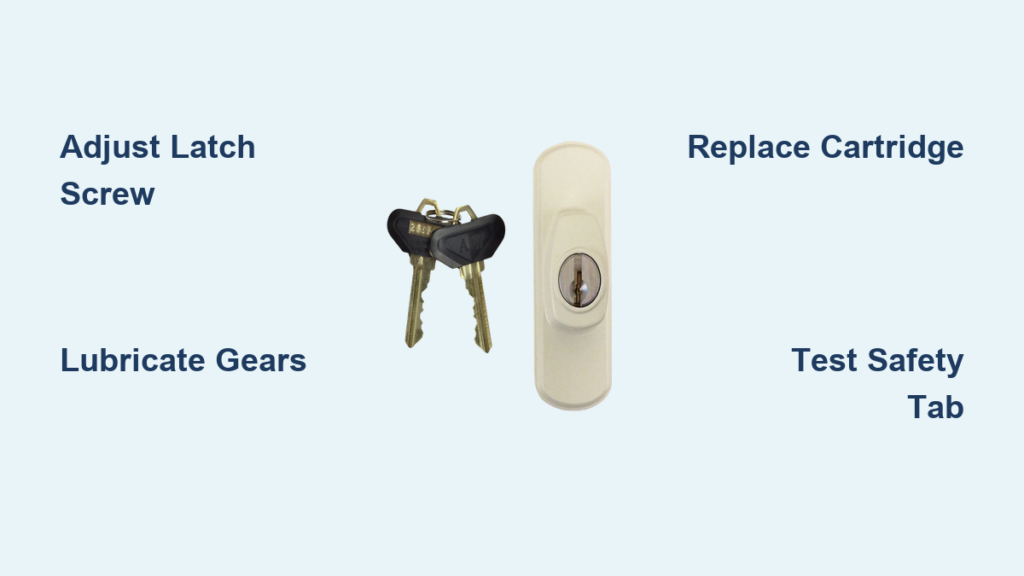
Inspect the lock body closely for a tiny hole located next to the keyway. This side access slot exists specifically for rekeying but creates a major vulnerability in Smart Key models. If you see this opening, you can bypass the lock in seconds rather than picking it traditionally.
Distinguish Smart Key from Standard 660
The Kwikset 660 is a standard five-pin deadbolt that requires traditional picking skills to open. Many modern 660 units now include Smart Key technology, making them look identical to older, secure versions. Always verify the presence of the side slot before selecting your tools.
Bypass Smart Key Locks in Seconds
Smart Key locks feature a critical weakness that allows attackers to disengage the bolt without manipulating pins. This method exploits the side access slot to force the internal mechanism open with minimal effort.
Use the Direct Manipulation Method
This technique works on both Smart Key deadbolts and knobs by targeting the internal latch directly. You need only a stiff wire or bent metal rod and a pair of pliers to execute this successfully.
- Insert a stiff wire or bypass tool directly into the side access slot.
- Angle the tool toward the internal latch mechanism inside the housing.
- Attach vice grips or pliers to the exposed end of your tool.
- Apply steady pressure while gently rotating the tool to disengage the bolt.
- Wait for the bolt to retract instantly without needing the original key.
The entire process takes under 10 seconds and leaves no visible damage to the exterior.
Try the Pawl Engagement Technique
Owners of Smart Key knob locks can use a more precise method targeting the internal pawl. This small lever controls the bolt and can be manipulated through the side access point.
- Required Tools: Specialized Smart Key bypass tool and a flat pry tool.
- Remove Plate: Gently pry off the small plastic side plate on the knob.
- Insert Tool: Place the bypass tool at a 10 to 15 degree downward angle.
- Engage Pawl: Rotate slightly until you feel resistance from the pawl.
- Open Lock: Pull upward steadily to open the lock in under 3 seconds.
This method is fully reversible and leaves the original key functional.
Pick Standard Kwikset 660 Deadbolts
Traditional Kwikset 660 deadbolts lack the side slot vulnerability and require standard lock picking techniques. You must verify the lock is mechanically sound before attempting to pick the pins.
Diagnose Before You Pick
Never attempt to pick a lock that has suffered mechanical failure, as the technique will not work. Perform these quick checks to ensure the issue is not a broken tailpiece or debris blockage.
- Key Spins Freely: The tailpiece is likely detached, requiring mechanical repair.
- Key Won’t Insert: Check for key damage or internal debris blocking the way.
- Stiff Operation: Spray WD-40 or Tri-Flow into the keyway to lubricate.
- Still Stuck: Apply lubricant, retest, and only proceed if the key turns slightly.
Only attempt picking if the lock moves slightly with the key but fails to unlock.
Use Single Pin Picking SPP
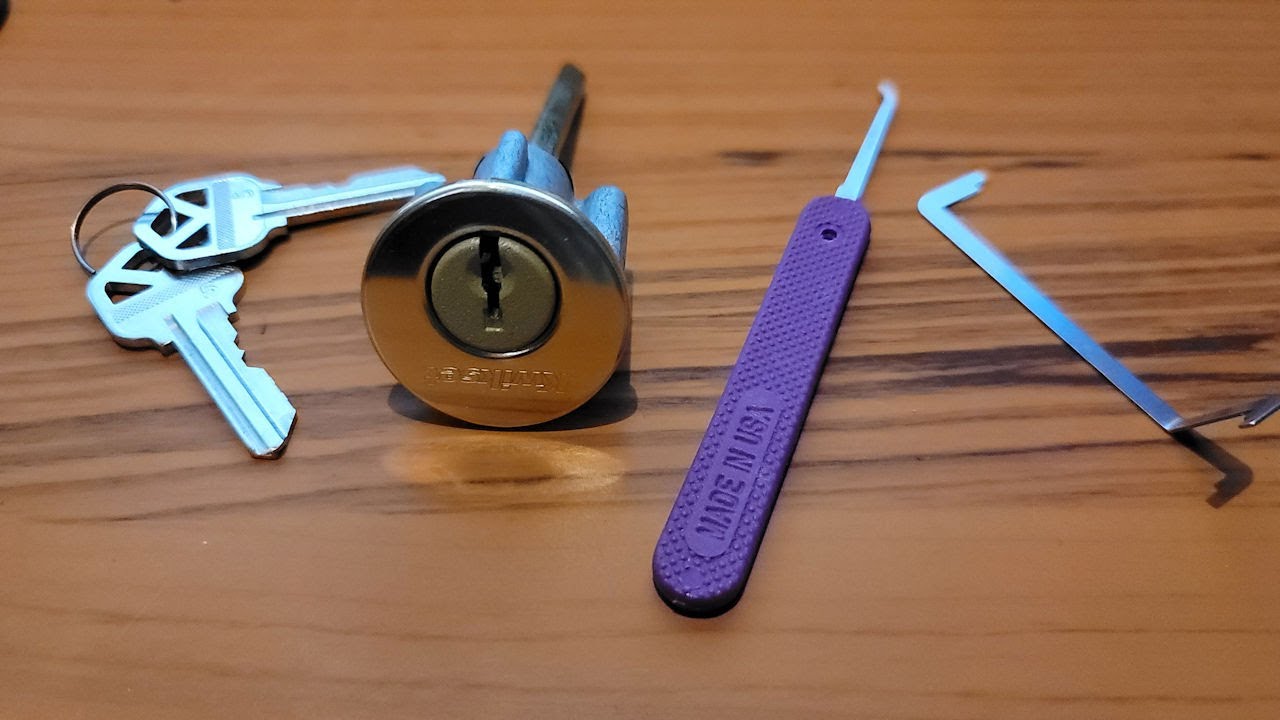
Single Pin Picking (SPP) is the most reliable method for opening traditional Kwikset 660 locks. This approach requires a half-diamond pick and a rigid tension tool with a slight flex tip for control.
Apply Light Tension
Success depends on maintaining consistent, light torque while manipulating individual pins. Follow these steps to set each pin at the shear line effectively.
- Insert the tension tool into the bottom of the keyway securely.
- Apply light clockwise pressure for standard deadbolts.
- Use the pick to lift each pin one at a time deliberately.
- Feel for the distinct click when a pin sets at the shear line.
- Continue until all pins are set and the plug rotates freely.
Pro Tip: Use minimal force because too much tension binds the pins and prevents the lock from opening. Trust your fingers since tactile feedback is your primary guide.
Try the Lishi KW1 Tool

The Lishi KW1 is a specialized tool designed specifically for the Kwikset keyway. It combines picking and tension functions into one device for unmatched control.
Precision Over Raking
This tool offers superior sensitivity for detecting binding pins compared to standard picks. It handles security pins, such as mushroom pins, with greater ease and accuracy.
- Insert the Lishi KW1 gently into the lock cylinder.
- Apply light clockwise tension using the integrated handle.
- Feel for the first binding pin resisting your movement.
- Lift it until it sets, then move immediately to the next binding pin.
- Repeat until the cylinder turns and the lock opens.
This method is faster and more reliable than raking, especially on locks with security pins.
Smart Key Security Flaws Exposed
Marketing claims often describe Smart Key locks as bump-proof and pick-resistant. The reality is that the side access slot creates a vulnerability that renders these claims misleading for homeowners.
The Bump-Proof Myth
Unlike bumping, which requires skill and creates noise, the bypass method is silent and instant. An intruder needs no lock-picking knowledge to exploit the side slot design flaw.
Undetectable Entry Risk
An attacker can bypass a Smart Key lock and leave absolutely no sign of entry. The original key still works, meaning you may never know the lock was compromised without a physical inspection.
Permanent Compromise
Once bypassed, the internal mechanism is altered in a way the Smart Key function cannot fix. The only true solution to restore security is to replace the lock entirely.
Choose the Right Tools
Selecting the correct equipment depends on whether you are bypassing a Smart Key model or picking a standard 660. Using the wrong tool can damage the lock or waste valuable time.
Essential Tool List
- Bent metal rod and pliers: For bypassing Smart Key via the side slot.
- Brockage bypass tool: For pawl engagement on knob locks.
- SouthOrd half-diamond pick: For traditional single pin picking.
- Rigid tension tool: For applying precise torque during picking.
- Lishi KW1: For precision picking of Kwikset keyways.
- WD-40 or Tri-Flow: For lubricating stiff or stuck locks.
Note that specialized bypass tools for knobs are often restricted to licensed locksmiths.
Compare Bypass vs. Picking

Understanding the differences between these methods helps you choose the right approach for your situation. Speed, skill level, and detectability vary significantly between the two techniques.
Speed and Skill Requirements
Smart Key bypass opens a lock in 3 to 10 seconds with almost no skill required. Traditional picking takes 1 to 5 minutes and requires months of practice to master effectively.
Detectability and Applicability
Bypassing leaves no trace and works only on Smart Key models with the side slot. Picking works on all pin-tumbler Kwikset locks but may leave minor scuffs if performed poorly.
Replace Don’t Rely on Smart Key

Homeowners with Smart Key locks face a documented security risk that cannot be fixed by rekeying. The design flaw allows anyone with a simple tool to enter your home undetected.
Immediate Replacement Recommended
If your current locks have the side access slot, replace them immediately to ensure home security. No amount of rekeying fixes the fundamental vulnerability of the side slot.
Better Alternatives
Choose high-security locks that lack external access points near the keyway. Recommended alternatives include Schlage B60 series deadbolts, Medeco high-security cylinders, or non-Smart Key Kwikset 660 models.
Prevent Lock Problems
Regular maintenance ensures your lock functions smoothly and reduces the need for emergency picking. Proper care extends the life of your hardware and prevents common jams.
Lubricate Regularly
Apply Tri-Flow or WD-40 every 6 to 12 months to prevent internal stiffness. Spray the lubricant, insert the key, and turn it gently to distribute the fluid evenly.
Never Force a Key
If the key will not turn, stop immediately to avoid breaking the tailpiece. Diagnose the issue by lubricating or cleaning before attempting any forceful manipulation.
Frequently Asked Questions About Kwikset Lock Picking
Can all Kwikset locks be picked easily?
No, only Smart Key models have a critical bypass flaw. Standard 660 models require traditional picking skills and tools to open successfully.
How long does it take to bypass a Smart Key lock?
An experienced user can bypass a Smart Key lock in under 10 seconds using the side slot. The pawl engagement method for knobs can take as little as 3 seconds.
Does bypassing a Smart Key lock leave damage?
No, the bypass method is non-destructive and leaves no visible signs of entry. The original key usually continues to work after the bypass.
What tools do I need to pick a standard Kwikset 660?
You need a half-diamond pick and a rigid tension tool for single pin picking. Alternatively, a Lishi KW1 tool offers precision for this specific keyway.
Is the Kwikset Smart Key truly bump-proof?
While marketed as bump-proof, the side access slot makes it vulnerable to instant bypass. This design flaw is more severe than traditional bumping risks.
Should I replace my Smart Key lock?
Yes, security experts recommend replacing Smart Key locks due to the exploitable side slot. Choose alternatives without this vulnerability for better home protection.
Key Takeaways for Fixing Your Kwikset Lock
Knowing how to pick a Kwikset lock is valuable, but recognizing the Smart Key bypass is vital for security. Homeowners should inspect their locks for the side access slot and replace vulnerable units immediately.
For standard 660 models, use the Lishi KW1 or single pin picking techniques with patience. Remember that picking is a skill, but the Smart Key bypass exploits a permanent design flaw.
Stay safe by choosing high-quality locks without side access vulnerabilities. Regular maintenance and proper tool selection ensure your home remains secure against unauthorized entry.