Staring at a stubborn cylinder lock can feel impossible if you do not know the right technique to open it. Whether you are a hobbyist or a student of mechanics, learning how to pick a cylinder lock requires specific tools and patience.
This guide details the exact process using insights from a vintage Century mortice cylinder lock. You will discover how to manage tricky keyways, identify binding pins, and avoid common errors that stop progress.
Choose the Right Tension Tool for Your Lock
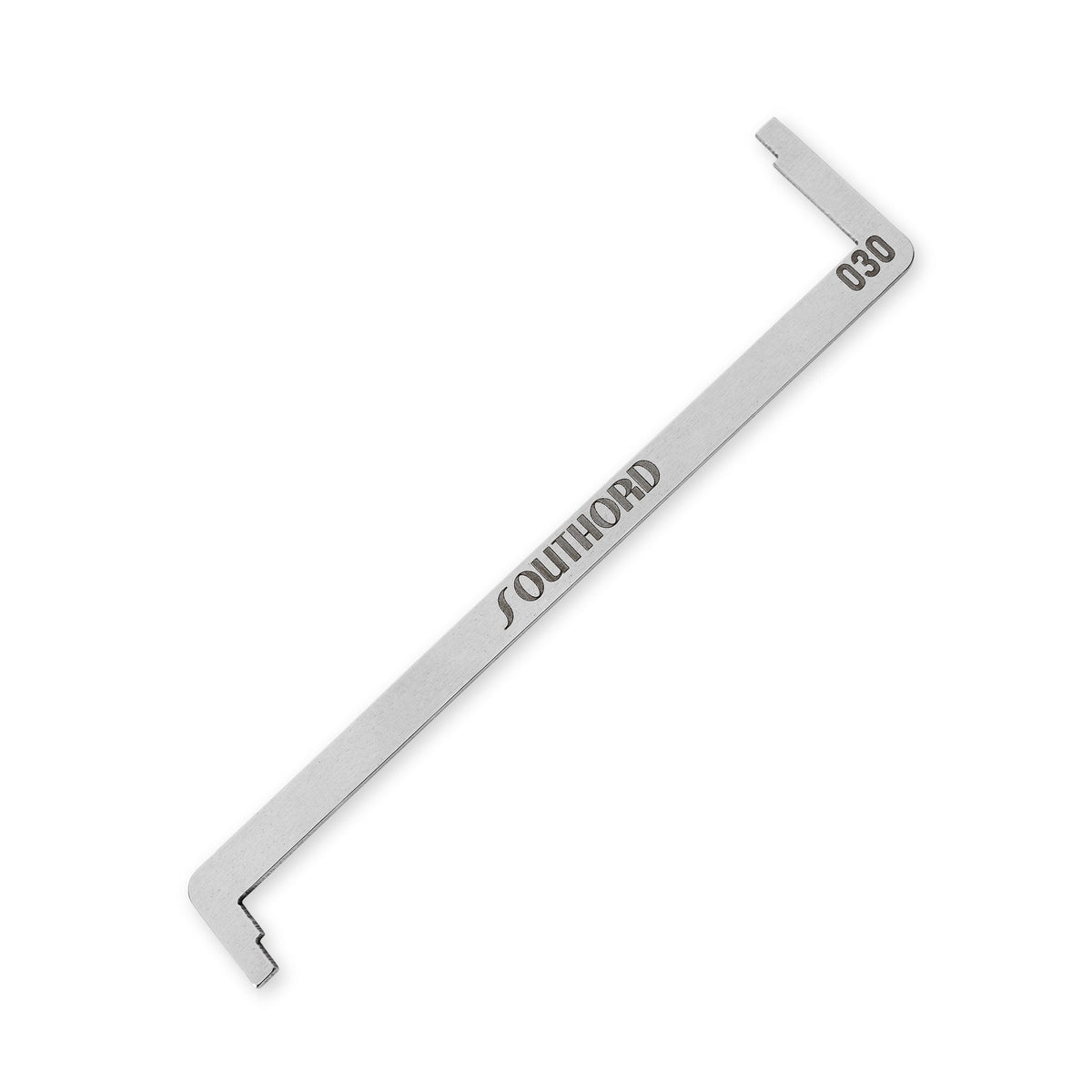
Proper tension is the foundation of successful lock picking. Without the correct leverage, pins will not set at the shear line and the core will not rotate.
Match Tool to Keyway Shape
Cylinder locks feature various keyway designs that dictate tool selection. The Century mortice cylinder has a distinct step at the bottom which causes standard tension tools to slip. Using a Boston keyway tension wrench helps stabilize torque in this specific model.
- Insert a thin metal shim at the base to bridge any steps.
- Ensure the wrench creates a flush contact point.
- Verify the tool sits flat against the keyway floor.
Pro Tip: If your wrench wobbles, try inserting a thin metal shim at the base to bridge the step and create a flush contact point.
Apply Light Consistent Pressure
Applying too much tension binds the core while too little allows pins to reset immediately. You must aim for just enough pressure to feel resistance when lifting pins.
- Start with light finger-tip tension on the wrench.
- Adjust pressure gradually as pins begin to bind.
- Listen for subtle clicks that indicate pin sets.
Common Mistake: Over-tightening causes false sets and broken picks. If nothing moves, ease off the wrench immediately.
Select and Insert the Pick Correctly
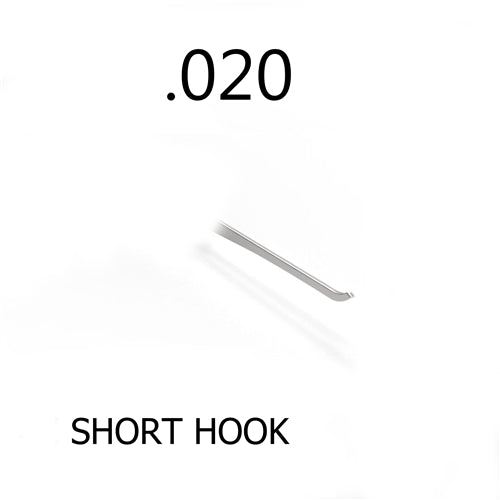
The pick acts as your precision instrument for manipulating internal components. You must choose the right profile based on lock depth and pin layout.
Use a Short Hook for Precision
The Century lock utilizes a five-pin setup numbered one through five. A short hook pick allows fine control when detecting the binding order within this configuration.
- Insert the pick above the tension wrench.
- Gently probe each pin from the back to the front.
- Feel for resistance to identify the first binding pin.
In this specific case, pin five at the rear bound first followed by pins four, three, two, and one.
Watch for Inconsistent Binding
Sometimes the same lock behaves differently across multiple attempts. This variation is not always due to advanced security features.
- Dirt or debris may obstruct pin chambers.
- Wear on pins or drivers can alter feedback.
- Poor machining tolerances are common in budget locks.
- User error in tension control often causes issues.
Expert Note: No master pins or tapered drivers were found in the Century lock yet picking results varied. This suggests mechanical inconsistency rather than complexity.
Follow the Binding Order Sequentially
Picking is a sequential process where you must set pins in the exact order they bind under tension. Skipping steps will prevent the core from turning.
Detect First Binding Pin
With light tension applied, you must systematically test each pin position. Push each pin upward one at a time to find resistance.
- Identify which pin resists movement first.
- Lift that specific pin slowly until it sets at the shear line.
- Feel for a slight click or give when the pin sets.
Move to Next Binding Pin
Once one pin sets, the tension shifts and another pin will bind. You must repeat the scanning process for the remaining pins.
- Re-scan all pins to find new resistance.
- Locate the next pin binding under current tension.
- Set it gently without losing previously set pins.
Continue this cycle until all pins are set and the core rotates freely. On a clean average-quality cylinder, this takes 30 seconds to 3 minutes for experienced pickers.
Handle Difficult Keyway Shapes
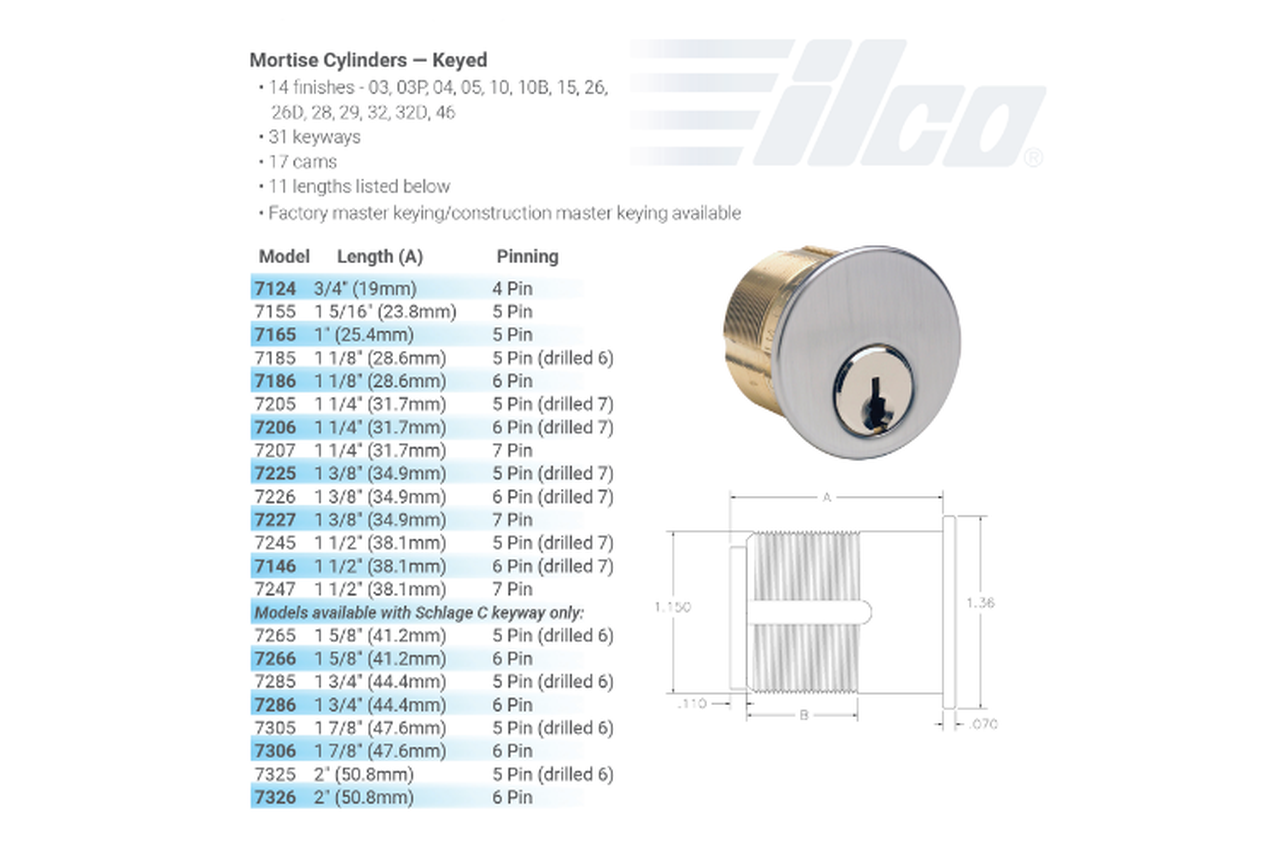
Some locks like the Century mortice have awkward keyway shapes that block standard tool access. You must adapt your approach to navigate these restrictions.
Adapt Your Tools Effectively
The bottom step in the Century keyway limited pick movement significantly. Successful workarounds involved using specific tools and techniques.
- Use a slimline hook to navigate tight spaces.
- Position the tension wrench low and stable.
- Avoid over-insertion that jams the pick against the step.
Consider Keyway Modifications
While not recommended for beginners, some advanced pickers modify picks to fit unusual profiles. For standard use, stick to narrow-profile tools designed for restricted keyways.
Disassemble Safely by Gutting the Lock

After picking, you may want to gut the lock for cleaning, inspection, or rekeying purposes. Safe disassembly prevents losing small internal components.
Use the Correct Follower
Standard followers often do not fit vintage or niche cylinders properly. In the Century lock, common followers were either too big or too small for the plug.
- A custom-cut follower made from a selfie stick provided a perfect mid-size fit.
- This improvised tool pushed the plug out smoothly.
- The snug fit prevented pins from falling out during extraction.
Insert a Shim to Catch Components
Before pushing the plug out, you must secure the driver pins and springs. Sliding a brass shim behind the plug prevents components from launching.
- Slide a brass shim behind the plug carefully.
- Ensure it covers the pin chambers completely.
- Push the plug out while holding the shim in place.
Success Tip: No lost pins means no frustration. Always use a shim when gutting a cylinder lock.
Inspect Internal Components Thoroughly

Once disassembled, examine each part to understand performance issues within the mechanism. Visual inspection reveals manufacturing quality and wear patterns.
Check Pin Condition
In the Century lock, the key pins were standard shape with no master wafer present. The driver pins showed no visible tapering upon close examination.
- Surface marks showed multiple striations and grooves.
- These marks indicate low-grade machining processes.
- Slight pitting on bottom pins suggests repeated use or poor alignment.
Despite the rough appearance, no special security features were found inside this unit.
Identify Performance Issues
Understanding why this lock picked inconsistently requires analyzing internal conditions. Several factors likely contributed to the variable feedback.
- Dirt buildup affects pin movement significantly.
- Inconsistent tolerances in chamber drilling cause binding variations.
- Spring fatigue from age reduces return force.
- Misalignment between plug and housing creates friction.
Fix It: Clean with degreaser, lubricate lightly with graphite or PTFE-based spray, and reassemble carefully.
Clean and Maintain the Lock Properly
A well-maintained lock picks easier and lasts longer than a neglected one. Regular maintenance prevents debris from causing mechanical failure.
Flush Out Debris
Use compressed air or a blower to remove dust from the keyway and pin chambers. For stubborn grime, you may need a liquid cleaner.
- Spray lock cleaner or degreaser into the keyway.
- Let it sit for one to two minutes.
- Work a dummy key in and out to loosen residue.
Lubricate Sparingly
Over-lubrication attracts dirt and creates a gummy mess inside the lock. Use only a light application of dry lubricant for best results.
- Graphite powder is ideal for infrequently used locks.
- PTFE or silicone spray works better for daily-use locks.
- Avoid oil-based lubes as they gum up over time.
Maintenance Tip: Clean and lubricate every 6 to 12 months for optimal function and smoother picking.
Avoid Common Picking Mistakes
Even experienced lock pickers make errors that hinder success. Knowing what to avoid saves time and prevents tool damage.
Using Too Much Tension
This is the number one mistake beginners make. Excessive force causes false sets, binds the core, and makes pins stick instead of setting properly. Use just enough tension to allow one pin to bind at a time.
Rushing the Process
Picking is not a race and rushing leads to missed feedback. Hurrying often results in broken tools and high frustration levels. Focus on tactile awareness and feel every millimeter of pin movement.
Ignoring Tool Fit
A pick that does not fit the keyway is useless for manipulation. Always match pick width to the keyway and use slim tension tools for restricted profiles. Test different hooks like half-diamond, ball, or snake shapes.
When Picking Fails: What Next?
If you cannot open the lock after several attempts, do not force it or damage the mechanism. Reassess your approach before trying again.
Reassess Your Approach
Try these reset techniques to clear any false sets. Releasing tension allows pins to drop back to their natural state.
- Release and reapply tension completely.
- Start from scratch to reset all pins.
- Switch picks as a different profile may reach better.
- Clean the lock since debris may be jamming pins.
Consider Alternative Methods
If picking fails repeatedly, other methods might work on standard pin tumbler locks. Bump keying or lock bypass tools like shims can be effective alternatives.
Legal Note: Only pick locks you own or have permission to open. Unauthorized lock picking is illegal in most jurisdictions.
Pick Like a Pro: Final Tips
Mastering cylinder lock picking takes practice, but specific strategies accelerate your progress. Follow these tips to improve your skills faster.
Practice on Low-Security Locks First
Start with inexpensive padlocks or doorknob cylinders before tackling mortice or high-security models. Recommended beginner locks include Kwikset 5-pin, Schlage Everest, and Euro profile cylinders.
Keep a Picking Journal
Tracking your attempts helps identify patterns in your technique. Record the lock type, tools used, binding order, and time to open for every session.
Upgrade Tools Over Time
Beginner sets work adequately, but precision-ground picks offer better feedback. Look for narrow polished shafts, ergonomic handles, and tension wrenches with micro-adjustment capabilities.
Frequently Asked Questions About Picking Cylinder Locks
How long does it take to learn how to pick a cylinder lock?
Learning basics takes a few hours of practice, but mastery requires months. Consistent practice on various lock types builds the necessary tactile sensitivity and muscle memory.
Is it legal to learn how to pick a cylinder lock?
It is legal to learn and practice on locks you own or have explicit permission to open. Always check local laws as unauthorized possession of picking tools can be illegal in some areas.
What tools do I need to pick a standard cylinder lock?
You need a tension wrench to apply torque and a pick to manipulate pins. A short hook pick and a Boston keyway tension wrench work well for many standard cylinders.
Why does my lock pick inconsistently sometimes?
Inconsistent picking often stems from dirt buildup, poor machining tolerances, or user tension errors. It rarely indicates complex security features in budget locks.
Can I damage a lock by trying to pick it?
Yes, excessive force or improper tools can break pins or damage the keyway. Always use light pressure and quality tools to minimize the risk of damage.
Key Takeaways for How to Pick a Cylinder Lock
Learning how to pick a cylinder lock relies on understanding mechanics rather than using force. Success comes from applying consistent tension, identifying binding pins sequentially, and adapting tools to the specific keyway shape.
The Century mortice cylinder demonstrated that inconsistent performance often results from poor manufacturing or age rather than advanced security. Clean your tools, maintain your locks, and practice ethically to master this skill.
Start with simple locks and upgrade your technique as you gain confidence. With patience and the right approach, even stubborn locks will yield to your precision.