A loose zipper on your backpack or suitcase can expose your belongings to theft or accidental loss. Learning how to lock a zipper provides an immediate solution to keep your valuables safe without needing complex tools.
This guide details multiple methods to secure zippers using locks, DIY household items, and slider modifications. You will discover which technique best fits your luggage, clothing, or outdoor gear for maximum security.
Use a Dedicated Zipper Lock for Maximum Security
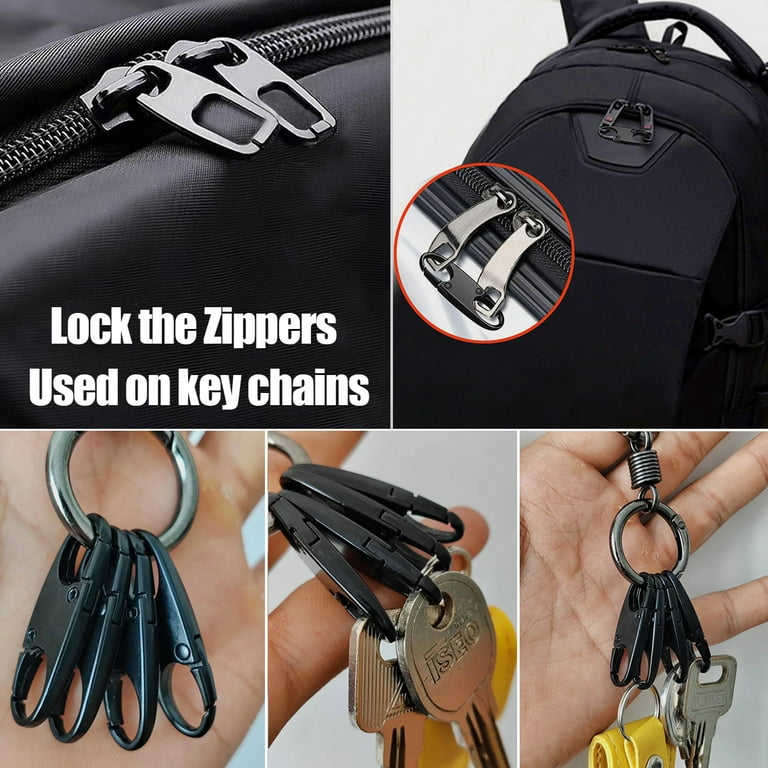
Commercial zipper locks offer the fastest way to immobilize a slider effectively. These small devices are designed specifically to prevent the pull tab from moving along the teeth.
Select the Correct Lock Type
Zipper locks appear in plastic, metal, and cable varieties. Plastic slider locks fit tightly over the pull for basic security. Metal versions provide higher durability for rough handling. Cable locks connect two separate pulls together, making them ideal for dual-zipper bags.
Install the Locking Mechanism Quickly
Insert the zipper pull into the device until you hear a click or feel it snap shut. Most models trap the tab physically to stop any sliding motion. G tug on the pull to confirm it cannot move before walking away.
Secure Dual Zipper Bags Effectively
Travel bags often feature two sliders that meet in the middle. Attach a lock to each side or use a cable to join both pulls. This setup prevents thieves from lifting the fabric to bypass the closure.
Convert Your Zipper to a Lockable Pull Tab
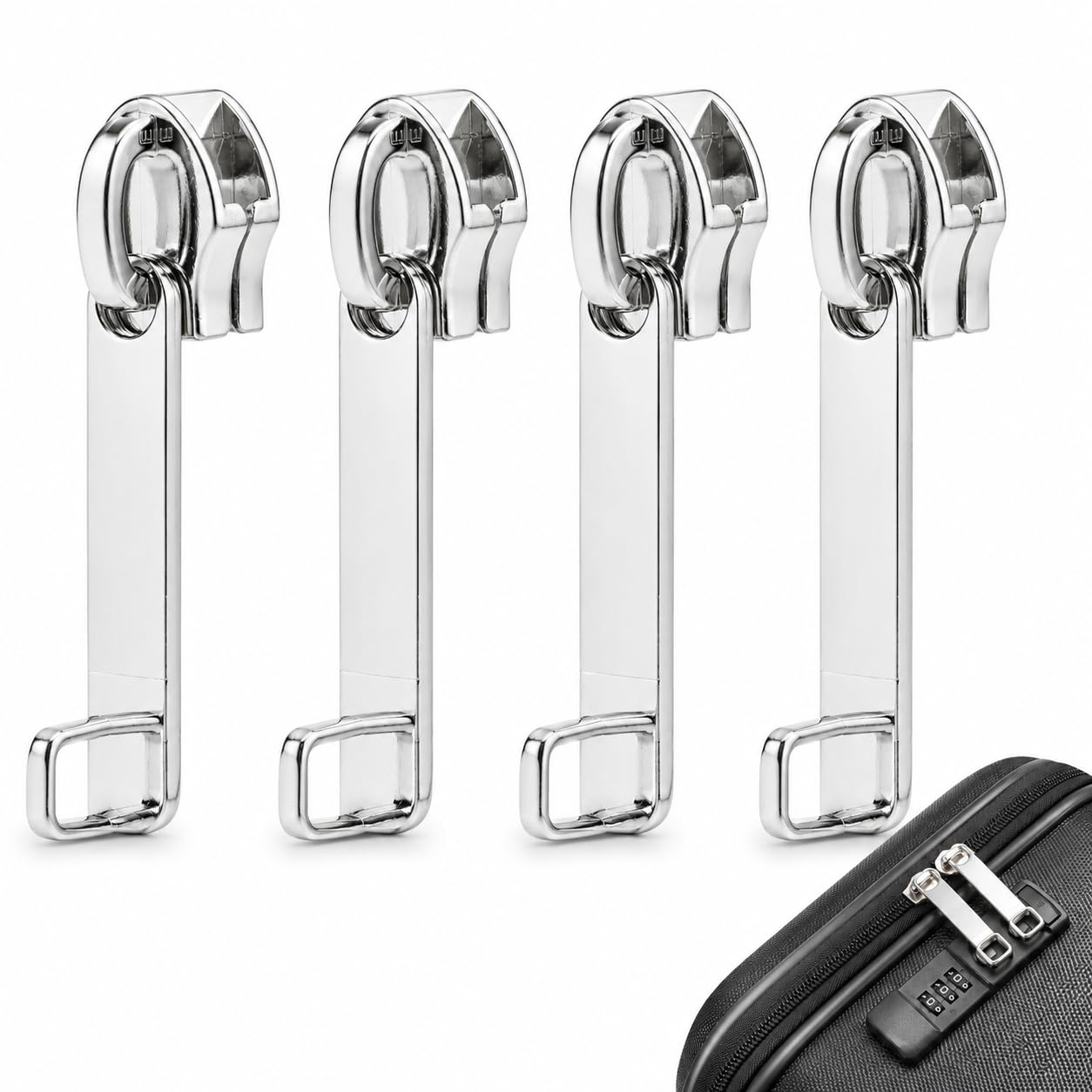
Upgrading your existing hardware creates a permanent security feature. This method replaces the standard pull with a version that accepts a locking mechanism.
Replace with a Metal Locking Pull
Aftermarket pulls with built-in locks function like miniature carabiners. Close the zipper and snap the pull into its locked position. Some models feature a small hole designed to accept a tiny padlock for added strength.
Add a Split Ring and Mini Padlock
Thread a split key ring through the current pull tab. Close the zipper fully and pass a miniature padlock through the ring. Lock the padlock to secure the ring against the bag body or zipper teeth.
Choose Corrosion Resistant Materials
Frequent travelers should select pulls made from aluminum or stainless steel. These materials resist rust and wear during long trips. A durable pull ensures your security setup lasts for years.
DIY Methods to Lock a Zipper with Household Items
You can secure a zipper instantly using common objects found in your home. These DIY solutions work well when you lack specialized gear.
Secure the Zipper with a Key Ring
Slide a small metal key ring through the zipper pull hole. Hook the ring around a fixed fabric loop or the zipper teeth themselves. Twist the ring to lock it in place and prevent the slider from moving.
Use a Cable Tie for Tamper Evidence
Thread a plastic zip tie through the pull tab and around a stationary part of the bag. Pull the tie tight and clip off the excess length. This creates a one-time seal that shows clear evidence if someone opens your bag.
Apply These Fixes to Various Bags
These tricks work on jackets, duffel bags, and backpacks alike. They add minimal bulk while providing effective temporary security. Ensure the ring or tie is strong enough to resist casual tugging.
Modify the Slider with a Physical Stopper

Installing a physical barrier stops the slider from moving down the track. This modification prevents accidental opening without needing an external lock.
Install a Reusable Stopper Clip
Clamp a stopper clip onto the zipper track just behind the slider. This device acts as a wall that blocks the pull from sliding further. You can remove and reuse these clips on different items as needed.
Create a Temporary Stitch Stop
Hand stitch a few strong threads across the zipper tape below the slider. This mimics the factory stopper found at the end of most zippers. Knot the thread securely to ensure it holds under tension.
Ideal for Clothing and Small Pouches
This approach suits jackets or pants that unzip due to movement. Avoid pulling stitches too tight, which might damage the fabric. Remove the stitches easily when you need full access again.
Prevent Slipping with Friction Enhancement Techniques
Sometimes a zipper slips because it lacks friction rather than security. Increasing grip can keep the slider in place without a lock.
Apply Graphite from a Pencil
Rub a standard graphite pencil along the zipper teeth thoroughly. The graphite acts as a lubricant that also increases friction inside the slider. This helps the slider stay put during normal movement.
Use Soap or Candle Wax on Teeth
Rub a bar of dry soap or candle wax over the zipper teeth. This coating increases grip between the slider and teeth. Test on a hidden area first to ensure no staining occurs.
Best Suited for Active Clothing
These friction fixes work well on gym bags or athletic wear. They remain invisible and do not interfere with the garment’s look. Reapply the wax or graphite after washing the item.
Check Dual Versus Single Zipper Setups
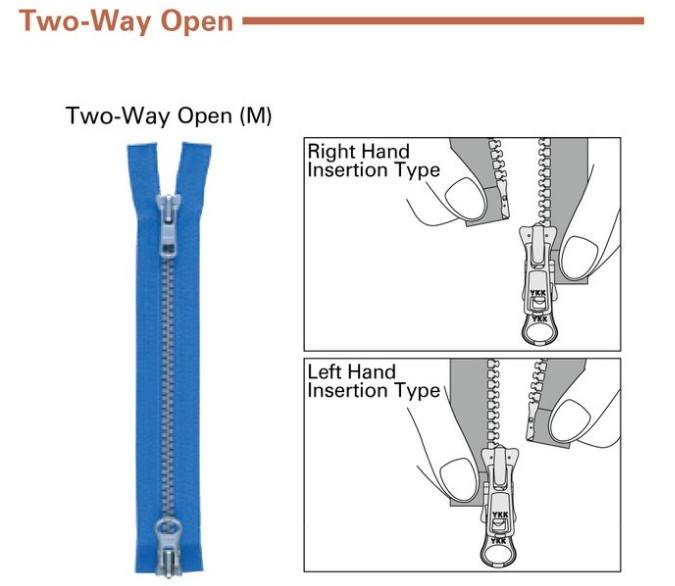
Your locking strategy depends heavily on the type of zipper installed. Identifying your setup ensures you choose the right security method.
Dual Slider Zippers Require Two Points
Bags with two sliders must be secured on both sides completely. Locking only one side allows a thief to lift the fabric and open the other. Connect both pulls with a cable lock for total coverage.
Single Slider Zippers Need One Barrier
Clothing and simple bags usually have just one slider to secure. A single stopper, lock, or friction fix is often sufficient here. Ensure the slider cannot pass the end of the track.
Inspect Your Item Before Choosing
Look closely at your bag or jacket before buying tools. Dual sliders offer flexibility but demand more attention to detail. Single sliders are simpler but may lack built-in stopping points.
Choose the Right Locking Method for Your Situation

Different scenarios require different levels of security and convenience. Matching the method to your needs ensures the best results.
Use TSA Approved Locks for Air Travel
Airport security agents can open TSA-approved locks without breaking them. These are essential for checked luggage to avoid damage. Avoid permanent fixes like zip ties if you fly frequently.
Opt for Quick Release Locks Daily
Commuters benefit from plastic slider locks or key ring methods. These allow you to secure and open your bag in seconds. Speed and convenience are key for daily carry items.
Prioritize Durability for Outdoor Gear
Hikers and campers need metal locks or stitched stoppers. These withstand rain, cold, and rough handling better than plastic. Choose weather-resistant options for reliable outdoor performance.
Maintain Your Locked Zipper System
A well-maintained zipper ensures your locking method works every time. Regular checks prevent failures when you need security most.
Inspect Locks for Wear and Tear
Check plastic locks and zip ties for cracks or weakness regularly. Replace any damaged components immediately to maintain security. A broken lock offers no protection against theft.
Clean Debris Before Locking
Wipe dirt and grit from the teeth with a damp cloth. Debris can prevent the zipper from closing fully, leaving gaps. A clean track ensures a tight and secure seal.
Lubricate for Smooth Operation
Apply dry silicone spray or zipper lubricant occasionally. A stiff zipper is hard to close completely, making locks less effective. Smooth operation helps you engage your security features properly.
Frequently Asked Questions About Locking Zippers
Can I lock a zipper without buying special tools?
Yes, you can use household items like key rings, split rings, or plastic cable ties. These objects thread through the pull tab to prevent movement effectively. They serve as excellent temporary or emergency security measures.
Do zipper locks work on all types of bags?
Most locks work on standard zippers found on jackets, backpacks, and suitcases. However, very large or industrial zippers may require specific heavy-duty locks. Always check the size of the pull tab before purchasing.
Is it safe to use zip ties for checked luggage?
Zip ties provide tamper evidence but are not TSA approved for checked bags. Security agents may cut them to inspect your luggage, leaving you without a seal. Use TSA-approved locks if you want to avoid damage during inspection.
How do I stop my jacket zipper from falling down?
Apply graphite from a pencil or wax from a candle to the teeth. This increases friction and helps the slider grip the track better. If this fails, consider installing a small stopper clip below the slider.
What is the best way to lock a backpack with two zippers?
Use a cable-style lock to connect both zipper pulls together. This prevents anyone from opening either side without breaking the lock. Alternatively, use two separate small locks on each pull tab.
Key Takeaways for Learning How to Lock a Zipper

Securing your belongings starts with understanding how to lock a zipper using the right technique for your specific gear. Whether you choose a commercial lock, a DIY key ring trick, or a friction-based fix, the goal remains preventing unauthorized access. Regular maintenance and choosing TSA-approved options for travel ensure your system works when it matters most.
Start by inspecting your current bags and jackets to identify which method fits best. Grab a key ring or purchase a dedicated lock today to upgrade your security immediately. Your peace of mind is worth the small effort required to lock your zippers properly.